

EMPLOYEE INTERVIEWS

Sound

Bringing a passion for creating inspiring games to every sound I create

Joined in 2024

Sound Designer S.T.

\ Career Path /

Did band and wind ensemble activities as a student, immersing herself in music.
Fell in love with online games in college.
After six months of training at SEGA, was assigned to create sound effects and jingles for Sonic Racing: CrossWorlds.
Became the sound effects lead for a new title at the end of her first year at SEGA.
01STEP 1
02STEP 2
03STEP 3

Q1
What I Studied

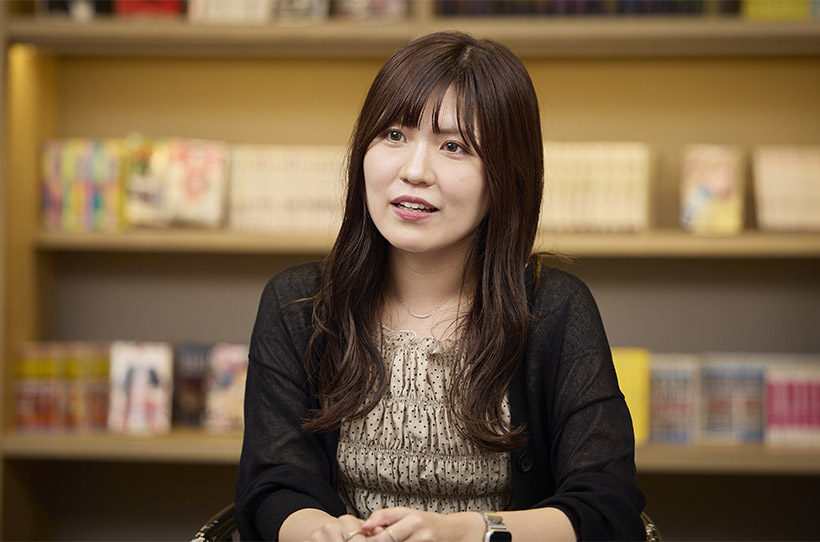
I began taking piano lessons at a young age and later joined both band and wind ensemble clubs as a student. Music has always been part of my life. In college, I got really into an online game, and that was a turning point for me. At the time, I was struggling to decide what I wanted to do after graduation, and the game’s story, world, and music lifted my spirits during that difficult period. I realized I wanted to create something that could inspire others the same way, so after I graduated from college, I enrolled in a vocational school to pursue a career in game audio. As I studied and analyzed films, I developed a strong interest in sound effects and dedicated myself to creating them.

Q2
Why I Joined SEGA

Sonic Frontiers was what first sparked my interest in SEGA. Sonic has a long history, so people expect certain things from those games, but they took a risk and introduced a new kind of open-zone gameplay. I was impressed by SEGA’s willingness to embrace change instead of relying on past successes. I also had an opportunity to receive feedback from SEGA employees during a portfolio review session at my vocational school. Usually, companies simply look at the art and provide feedback, but the SEGA team first asked students about their ideas, questions, and creative intentions. I felt that they respected us as fellow creators, even though we were students without much experience. SEGA’s willingness to continue taking on new challenges and its culture of respecting diverse perspectives ultimately convinced me to join the company.

Q3
My First Assignments at SEGA

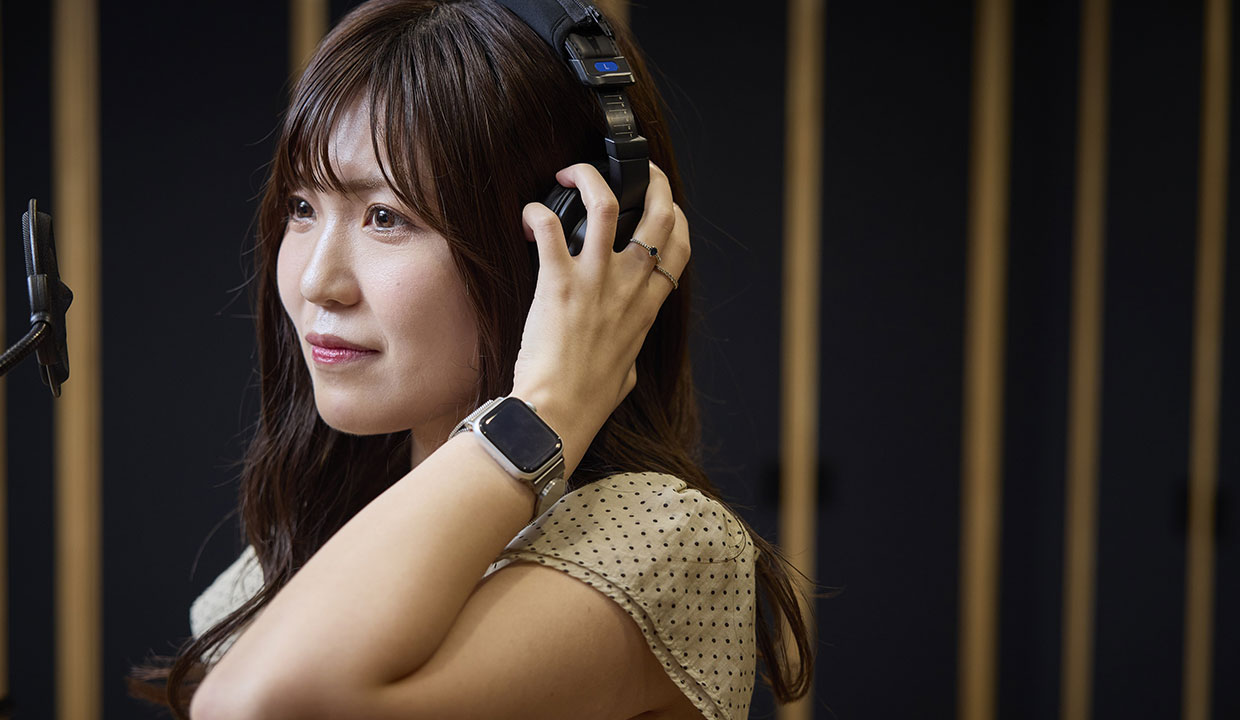
My first assignment was creating sound effects and jingles for Sonic Racing: CrossWorlds. Based on requests from the planning team, I created sounds that fit the game while carefully considering the tone and assets used in each case. Around February in my first year at the company, I also became the sound effects lead for another title in development. In addition to creating sound effects myself, I've also been managing progress at partner companies. It was a bit of a struggle at first, but I’ve been learning a lot about sound production and project coordination with support and guidance from senior team members.
Q4
Biggest Surprise After Joining SEGA

Before joining SEGA, I thought game sound production was just a matter of learning established techniques and following set processes. In reality, though, I’m constantly encouraged to share my own ideas, whether that means proposing what kind of sound best fits a scene or discussing the direction I want to take. While it’s exciting that my opinions are respected, it also means taking responsibility for finding the right solution myself. Another thing I quickly learned is that communication is just as important as sound design skills. As a student, I usually worked on projects by myself. In a professional environment, though, it’s essential to share ideas and align on goals before production even begins. And since there are deadlines, the clock is always ticking. I’ve come to understand how important it is to clearly communicate the intent behind my work so that everyone involved can move forward with a shared understanding and vision.
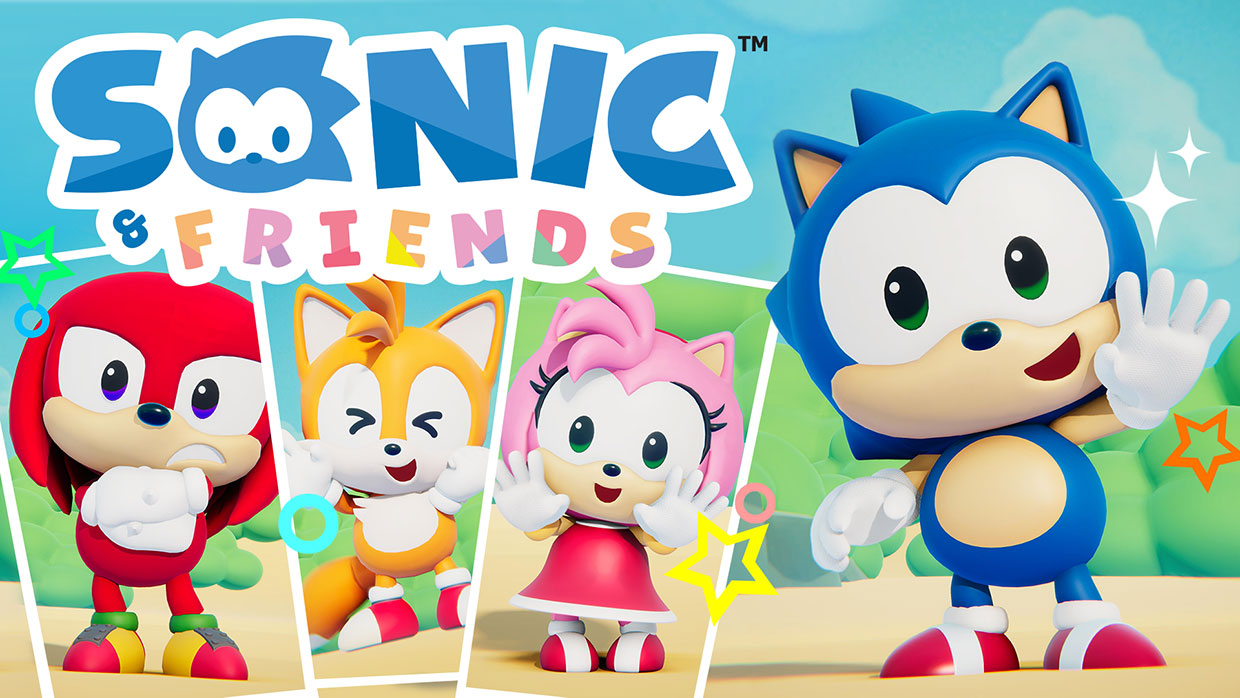
S.T. handled sound effect production and coordinated audio production for the SONIC & FRIENDS animated shorts.

Q5
Current Duties

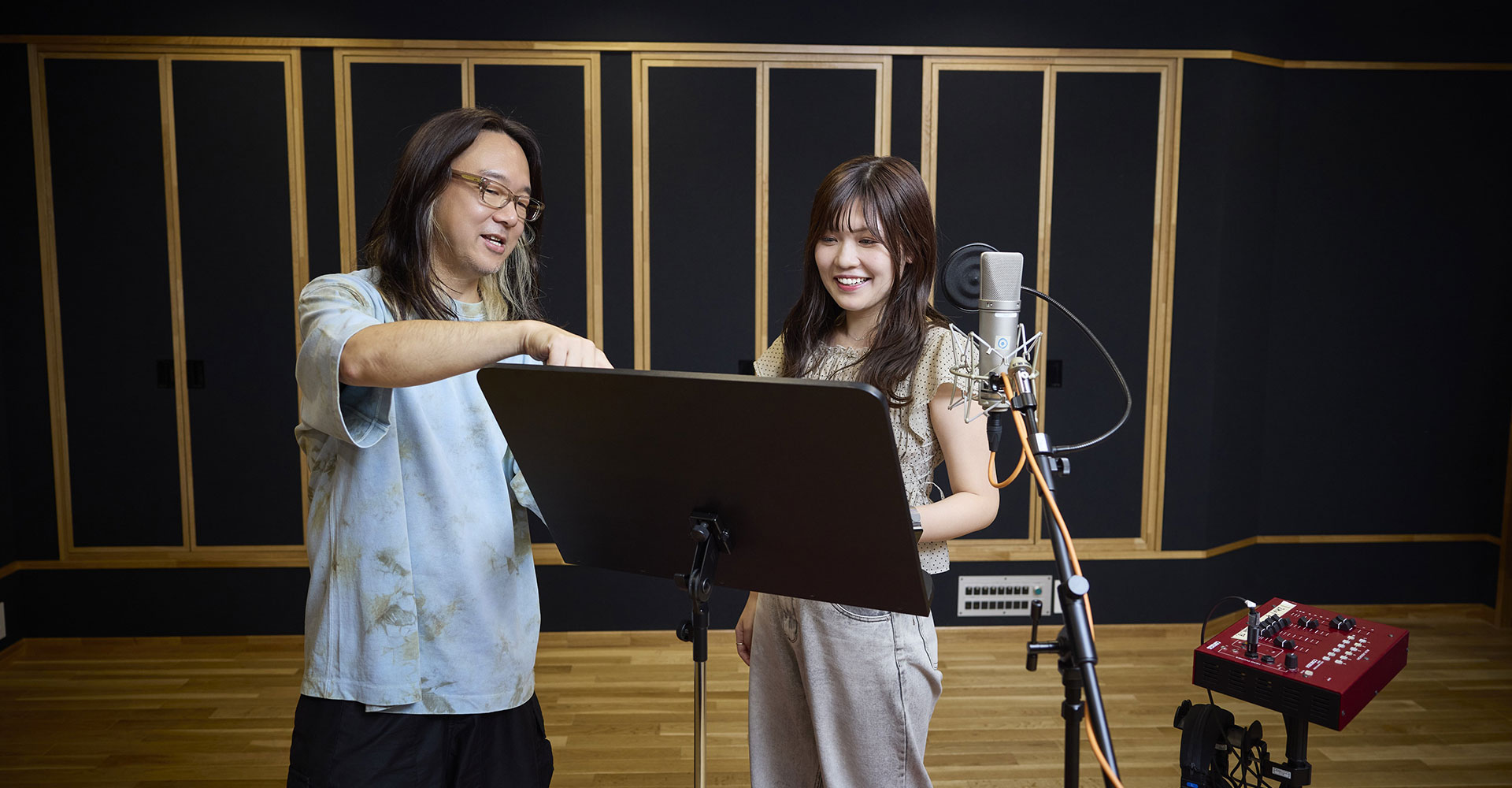
I work as the sound effects lead on a project currently in development. My role is to turn the sound producer's overall direction for the project into actual sound effects. I also coordinate production requests with external partners, manage schedules, and implement and fine-tune in-game audio. This job requires close collaboration across a large team, so I make a conscious effort to be respectful of different perspectives while clearly communicating my own ideas and opinions.

Q6
Motivation and Successes

There are three aspects of sound production that I find particularly rewarding. The first is when I'm able to create exactly the sound I had envisioned. The second is when a title is released and I can hear the sounds I created working well within the game. Playing Sonic Racing: CrossWorlds, the first title I worked on, and hearing the sounds I had created in-game was the moment I truly felt like a creator. The third is seeing fans enjoy the finished product. Knowing that my work can contribute to a memorable experience for someone else is the most rewarding part of the job.

Q7
Future Goals

My goal is to become a sound director with expertise across all aspects of sound production—sound effects, music, voice recording, and implementation. So far, I've mostly worked on sound effects and jingles, but I've recently started trying my hand at music production as well. I shared my career aspirations with my manager, and they encouraged me to broaden my experience by taking on a wider range of responsibilities. Alongside developing my technical skills, I hope to further strengthen my communication skills so I can help make sure projects run smoothly. Ultimately, my goal is to become a sound director who can make sure projects move forward in a positive, proactive way.

Q8
SEGA's Appeal

One of the most appealing aspects of working in audio at SEGA is that we work across different projects instead of being tied to a specific title or division. They've merged the arcade and console game audio departments, which were previously separate, which brought people with a wide range of experience and expertise onto a single team. If I get stuck, there's always someone I can turn to for advice, and I can get perspectives from multiple viewpoints instead of relying on a single answer. Another great thing about the company is the flexibility it offers in terms of career development. Whether someone wants to broaden their experience like I do or focus on a specific area, there are opportunities to pursue the career path that's right for them.

Q9
Message to Applicants

I think people who have a clear sense of what they want to achieve are a great fit for SEGA. In our sound team, regardless of seniority, you're encouraged to take on new challenges if you can clearly explain your goals and the value your ideas will bring. At the same time, it's important not to push your own opinions at the expense of others, but to respect different perspectives and values. Game sound development is a collaborative effort that involves working closely with producers, engineers, and external partners. By combining your own vision with the ideas of those around you, you can create something even better. That's the kind of creative work applicants should enjoy being a part of.

Q10
A Recent Highlight

One recent highlight for me was attending the concert for Sonic's 35th anniversary. I noticed that the fan from overseas sitting next to me was in tears. It was a powerful reminder that SEGA's music can transcend language and borders to connect deeply with people all around the world. That experience reaffirmed my goal of creating sound that leaves a lasting impact on others.

A Typical Day

10:30 AM 
Arrive at the office
10:35 AM 
Check messages from team members and external vendors
11:00 AM 
Sound production
12:30 PM 
Lunch break
1:30 PM 
Progress update, discussion with team
2:30 PM 
Sound production and in-engine checks
7:00 PM 
Admin tasks and schedule management
7:30 PM 
Leave the office
[an error occurred while processing this directive]