
EMPLOYEE INTERVIEWS

Sound

Total sound production from planning through promotion, helping game music reach its full potential

Joined in 1999

Sound Producer T.O.

\ Career Path /

Started producing music while playing in a band.
Later got into theater sound production at the urging of a friend.
Attended a recording session in NYC during his 2nd year at SEGA.
Influenced and inspired by Western music.
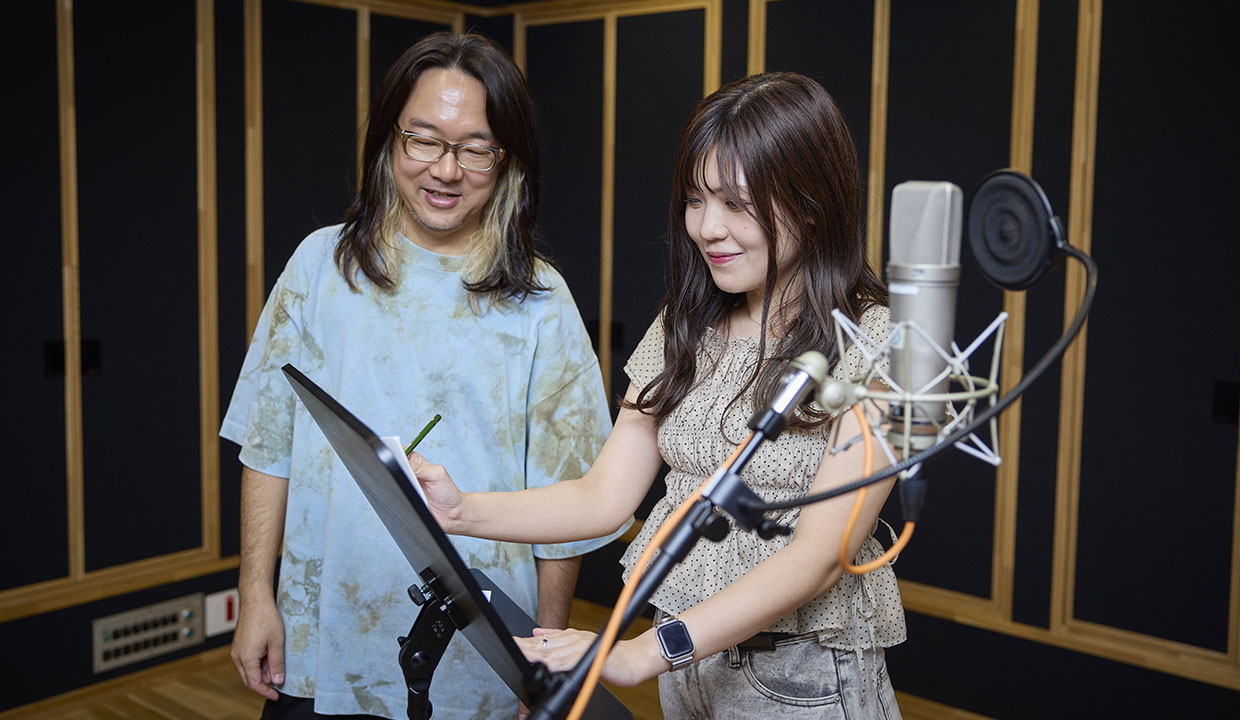
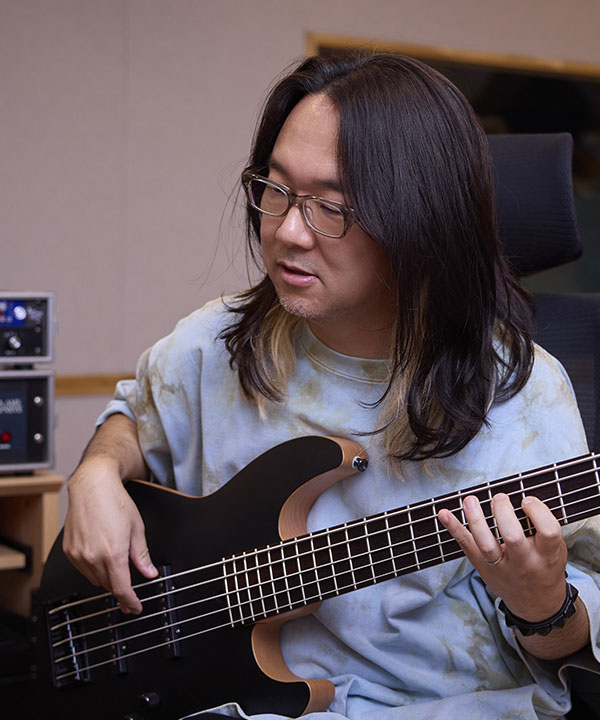
Handles music production, performs at concerts as a DJ and bassist, and attends global fan events.
Currently working on promoting soundtracks outside of the game.
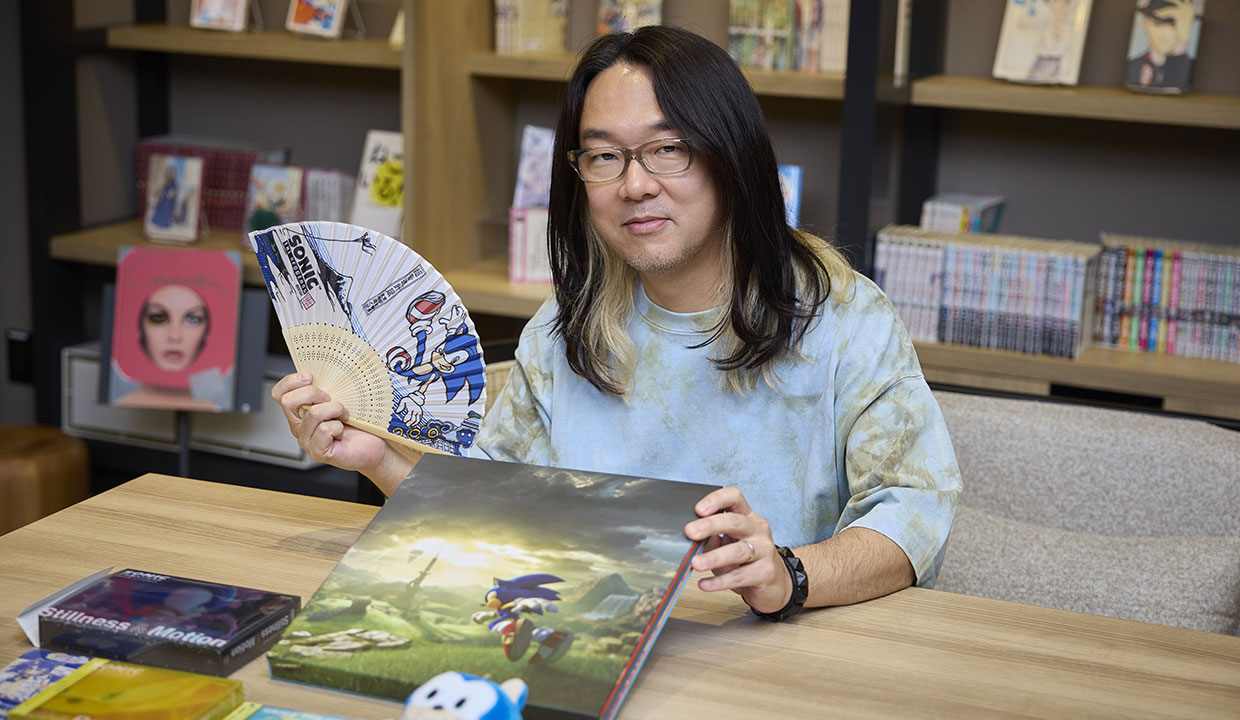
Reached over 300 million streams with the Sonic Frontiers soundtrack.
01STEP 1
02STEP 2
03STEP 3
04STEP 4

Q1
What I Studied

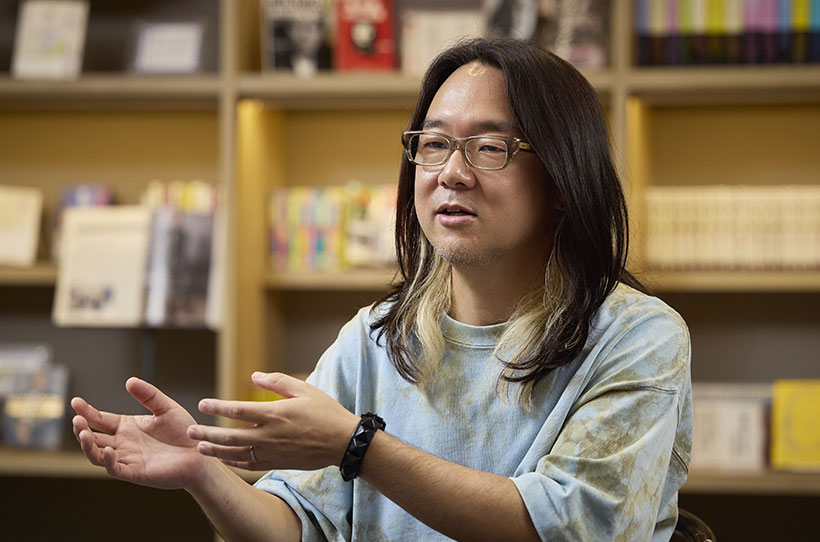
As a student, I played in a band. When I wanted to record a demo for one of our original songs, I bought a bunch of recording equipment to try different things. While the band hadn't been taking off, a friend of mine, an actor, asked me to handle the audio for a stage production. Unlike band performances, audio makes up only one part of the overall experience—you have to look at the script and the stage plan to figure out what music and sound effects will enhance the show. I discovered how fun it was to produce audio behind the curtains, and also learned what works in terms of sound production.

Q2
Why I Joined SEGA

I hadn't actually planned to look for full-time work—I wanted to focus on my music. When a friend at my part-time job encouraged me to at least check what was out there, I came across some sound designer positions at game companies while looking for music-adjacent jobs. I'd liked games since I was a kid, and thought my knowledge of theatrical sound production might also apply to games. After sending some of my work to a few game companies, I luckily received an offer from SEGA.

Q3
My First Assignments at SEGA

SEGA decided to turn the minigame we made during new hire training into a full-fledged commercial game, so right off the bat, I got to experience the whole process from development through release. After that, I produced the music for Sonic Adventure 2. Part of that involved traveling to New York City, the birthplace of hip-hop, to record rap vocals. The experience left a lasting impression on me, as I got to see the sound team's commitment to great music firsthand. To achieve the sound they're looking for, they were willing to allocate budget towards an overseas recording session. That trip inspires my creative approach to this day.
Q4
Biggest Surprise After Joining SEGA

When I joined the company, the sound team was eager to create something fresh and fun. Younger generations might find this hard to imagine, but back then, game music went through a revolution. Instead of using MIDI-based music played through a console's built-in sound hardware, games began streaming pre-recorded tracks. That gave us more room for creative expression in game music, so we were in the process of throwing out the old rulebook and writing a new one. We tried anything we thought might fit our games—and we're still doing that now.
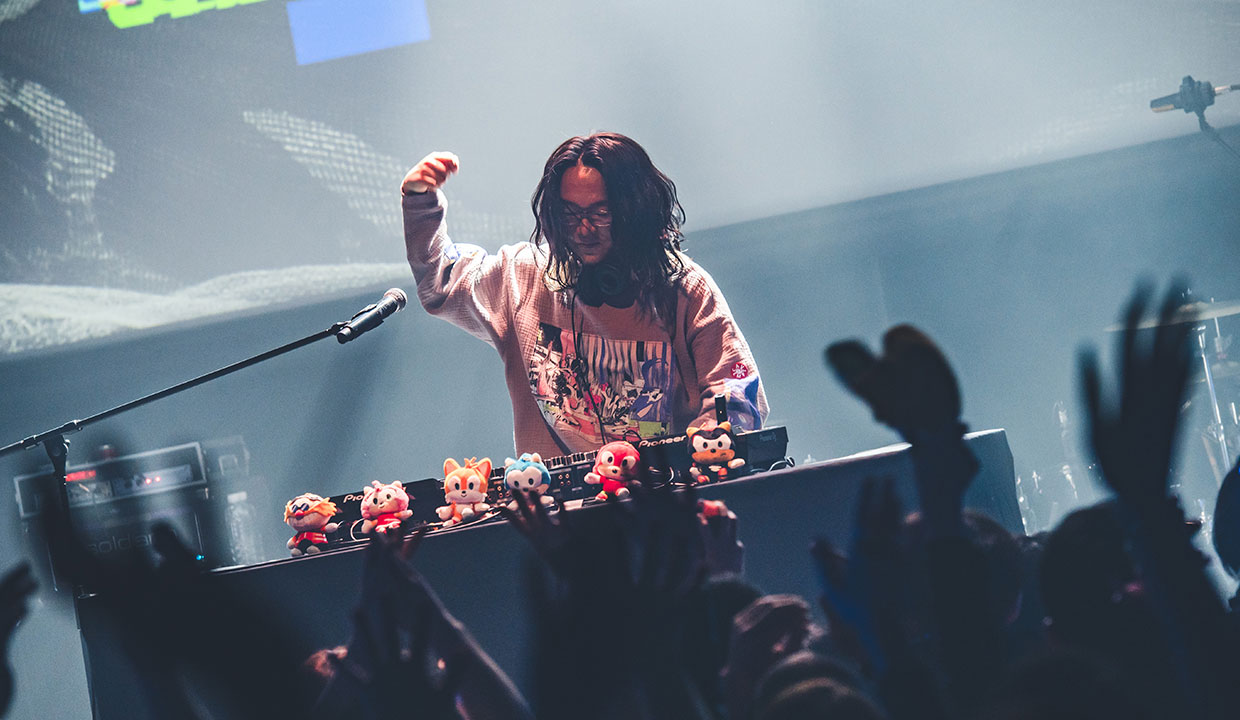
T.O. doing a DJ set and tossing plushies to the crowd at the Sonic Music Experience concert

Q5
Current Duties

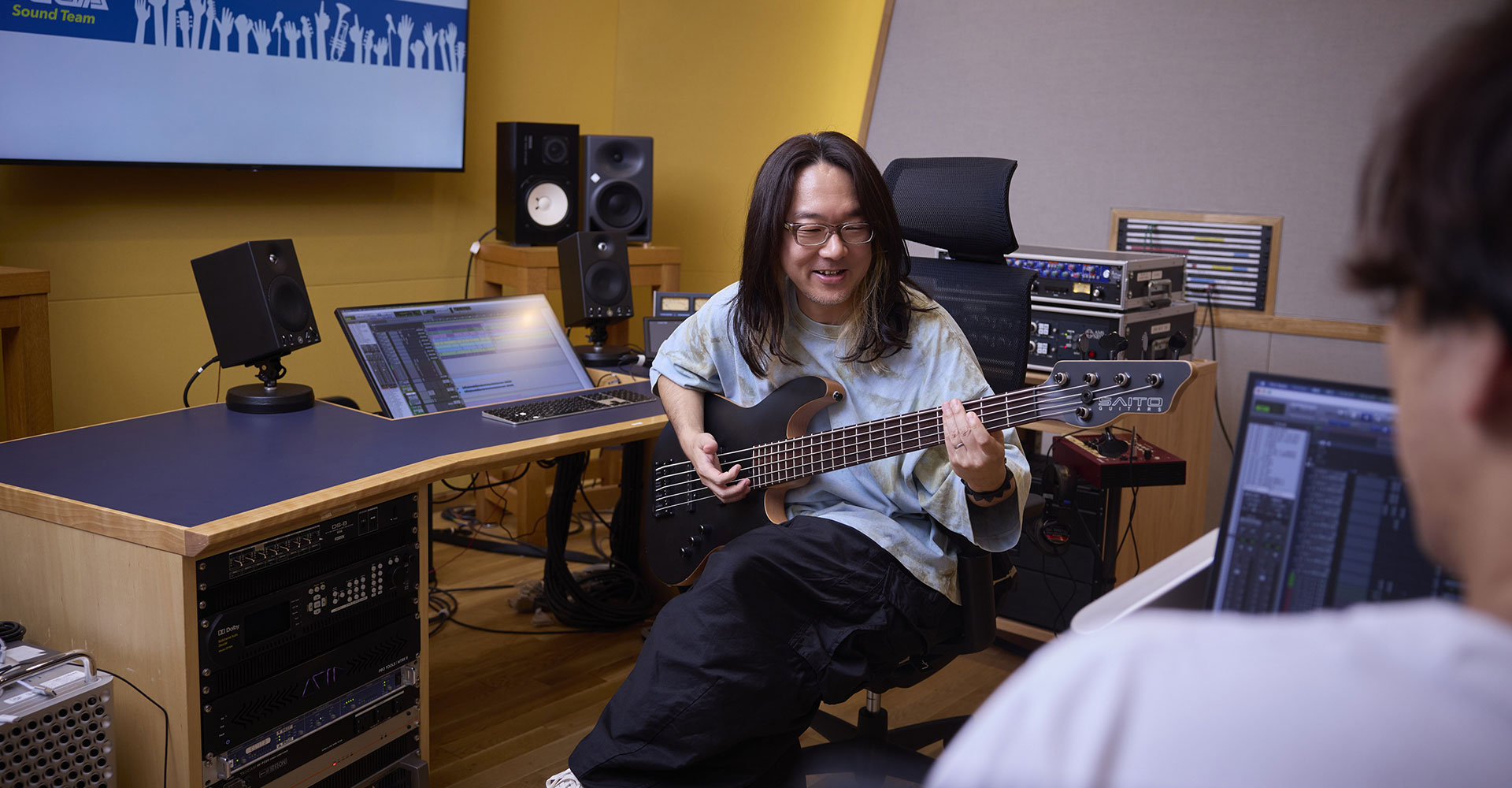
As a sound producer, I manage all aspects of sound production, from deciding conceptual direction for the entire game to things like budgets and team-building exercises. I also compose and arrange my own tracks. Games are different from movies and music in one crucial way: they require a bigger time investment. For that reason, when envisioning the audio for an entire game, I need to constantly think about how I want the player's emotions to shift. My job doesn't end when development ends—I have other important jobs, including making music videos to showcase the soundtrack and creating promotions to heighten anticipation for launch. I see my job as "total sound production," from planning to promotion.

Q6
Motivation and Successes

The Sonic Frontiers soundtrack passed 300 million streams recently. I always try to create tracks that not only enhance the game's presentation but also captivate listeners as standalone works. My goal is to have people enjoy our music inside and outside of our games, so I experiment with different approaches like collaborating and recording with famous artists. We couldn't have reached those streaming numbers if only people who played the game were listening, so it's clear that the music has been able to stand on its own merit.

Q7
Future Goals

I want to win an international game award for audio. I definitely feel support for the Sonic series' music every day, especially at events and things like that, but I'd like to see proof of that in the form of an award. A huge achievement could bring in new fans and attract talented creators to our team. To win, we obviously have to put out some truly unmatched creative work. However, that's not enough. We have to make an effort on every front, including building the technical expertise to implement that work effectively and elevating our social media presence.

Q8
SEGA's Appeal

There's a strong culture of working across departments toward common goals, so whenever there's a gaming event or a livestream, everyone pulls together. It reminds me of the festivals we used to do at school. Our collaborative environment is really motivating and helps everyone do their best work.

Q9
Message to Applicants

There's a place here for people with firm beliefs and visions for creative work. They often set a high bar for themselves and don't hold back in trying to meet it, raising the standard for the whole team. Communication skills are also indispensable—making a game means collaborating with a whole range of people across the company, so you have to be able to clearly communicate your ideas and then hash out the best way forward for the game itself. If you're a team player, I encourage you to join us, as it takes many people to build a game.

Q10
A Recent Highlight

I attended a series of fan events in different cities across Asia for Sonic's 35th Anniversary. When I took the stage as the series' sound director, I was deeply moved by the reception I got. Everyone was just as enthusiastic as the Sonic fans I'd seen in Europe and the U.S. When the trailer showing Sonic's history started and the theme song played, the fans naturally started singing along. In that moment, I saw how much fans around the world really love the Sonic series' music.

A Typical Day

9:30 AM 
Start work at home, quality control checks
10:00 AM 
Music production
12:30 PM 
Lunch break
1:30 PM 
Management work, quality control checks
2:00 PM 
Regular project meeting
3:00 PM 
Regular project meeting
4:00 PM 
Music production
5:00 PM 
Recruitment activities
6:00 PM 
Music streaming and licensing
7:00 PM 
Meeting on live events/brand initiatives
8:00 PM 
Leave the office
[an error occurred while processing this directive]