

EMPLOYEE INTERVIEWS

Programmer

A Programmer who always lends an ear to the players and the team

Joined in 2022

Programmer A.Y.

\ Career Path /

Studied Design Engineering, gaining expertise in both design and information/electronics engineering.
Worked on implementing new game features after roughly one year at SEGA.
Built confidence through players' reactions to her work.
Now five years in, currently serves as a section leader, managing progress and development support. Also building an official application for players.
01STEP 1
02STEP 2
03STEP 3

Q1
What I Studied

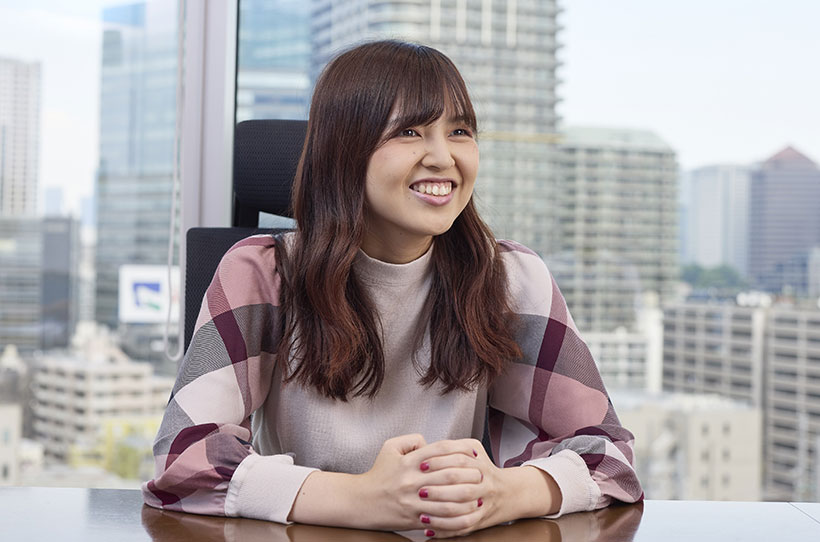
I studied a broad range of subjects in design and engineering during college, and I worked with Unity on my own time. Mentoring teenagers at an IT education organization is what inspired me to get into game development. I would give technical support to the students working on games, and their enthusiasm stuck with me. Although I had been considering a career in IT, once I realized that I could express my imagination and individuality through game development, I knew that was my calling.

Q2
Why I Joined SEGA

I've loved gaming since I was four years old, and I was especially fond of SEGA games like Puyo Puyo and Rhythm Thief & the Emperor's Treasure. Because I only began learning Unity in my third year of university, SEGA's support for new hires really appealed to me. I appreciated that I'd be paired with a mentor who'd train me throughout my first year.

Q3
My First Assignments at SEGA

I took part in a training program for new hires, where I developed an original game and learned the basics of game programming. Once I got assigned to a development team, I gradually got the hang of the job by playing our live-service games, reviewing KPIs, and doing coding tutorials. Looking back on it, I received an incredible amount of support.

Q4
Biggest Surprise After Joining SEGA

There wasn't a major gap between my expectations and reality, but I was pleasantly surprised by how open the company is to ideas from younger employees. Programmers don't need to blindly follow the planning team's requests. We can share suggestions on how to improve upon their ideas. I appreciate that SEGA encourages all employees, regardless of their roles, to freely exchange opinions on how to make our games better. On top of that, the employee benefits here cover more than I imagined, especially the allowances for community activities. I'm part of our model kit building club, and the fact that I can bond with colleagues outside of work tells me that this is a great working environment.
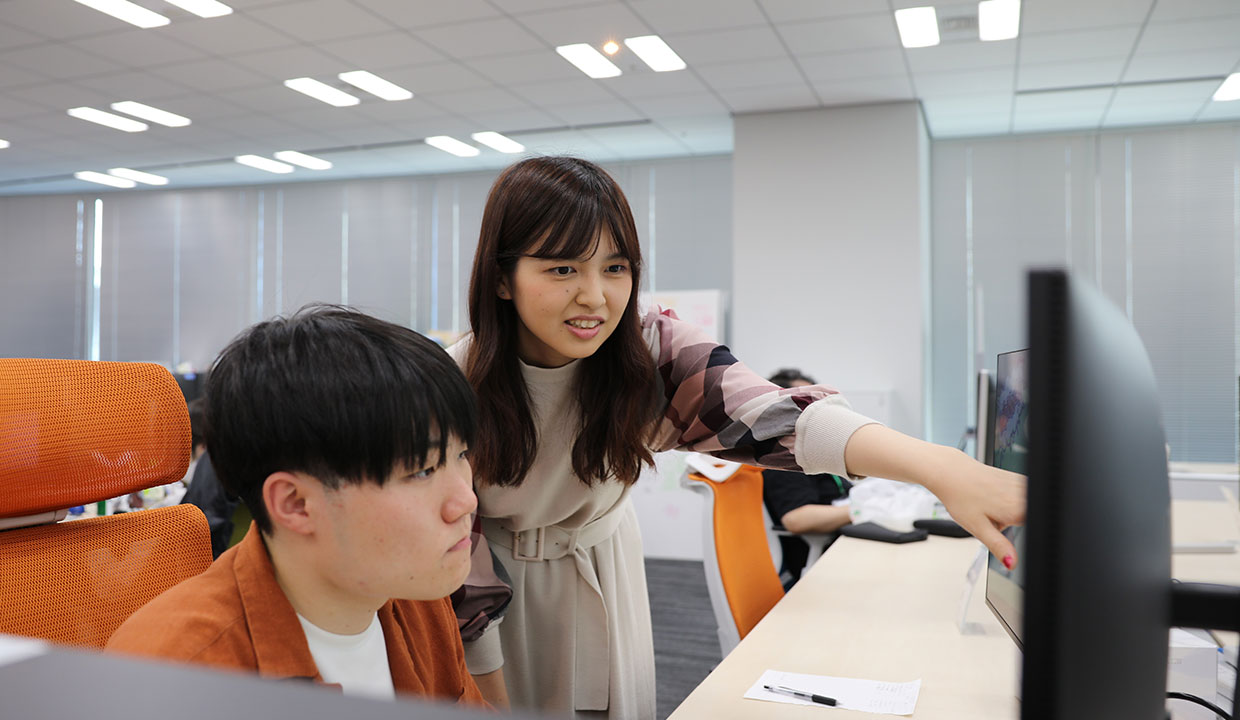
A.Y. chatting one-on-one with a new employee, discussing issues and bantering

Q5
Current Duties

I develop new features and improvements for player-facing menus and systems, including character profiles and gacha screens. Though I've worked in the same development section in the five years since I joined, I still get antsy whenever new features go live because players don't hold back. Some players love the changes, while others prefer keeping the status quo. But we stay flexible, listening to the feedback and always refining our work. As a section leader, I also manage schedules and support team members. Some days are filled entirely with meetings about features, but even when things are busy, I make time for one-on-one meetings and listen carefully to my team's concerns.


Q6
Motivation and Successes

While there are many rewarding moments in my work, the achievement that stands out most was implementing a new feature near the end of my first year at SEGA. When it was unveiled during an official livestream with hundreds of thousands of viewers, players dropped an incredible number of positive comments. I was so happy to hear that they had been waiting for such a feature and were excited for its release. In my first year, I doubted my technical abilities, but being entrusted with that task and getting an enthusiastic response really boosted my confidence.

Q7
Future Goals

My immediate goal as a section leader is to further strengthen the trust my team members place in me. Looking further ahead, I would like to take on even more responsibility as a leader or manager. That's why I plan to sharpen my skills by actively attending tech conferences and study groups, while also deepening my knowledge of emerging technologies like AI to boost my team's efficiency.

Q8
SEGA's Appeal

SEGA offers plenty of opportunities to tackle development challenges across console, arcade, PC, and mobile gaming. I also find its global work environment exciting, as I can collaborate with colleagues from diverse backgrounds.

Q9
Message to Applicants

I'd like to work with people who actively share their ideas, regardless of their role. Those who are excited to make our games even better. It'd be great to see more programmers actively communicating their ideas on how to improve players' experiences. This is a place where you can grow as a professional, so I encourage you to join us in creating unforgettable games.

Q10
A Recent Highlight

I visited the resort town of Tateshina in Nagano Prefecture to check out a collab with one of my favorite games. Spending time in nature left me feeling refreshed, and through the collab, I gained an appreciation for places I'd never visited before.

A Typical Day

10:00 AM 
Arrive at the office
10:15 AM 
Morning meeting with new employees, reviewing tasks for the day
10:30 AM 
Morning meeting for project, sharing key points and progress for each development section
11:00 AM 
Playtest for upcoming characters and content
12:00 PM 
Lunch with my coworkers
1:30 PM 
Project leader meeting
2:30 PM 
Implementation review, overview meeting, specification briefing, or workload assessment
4:00 PM 
Project meeting
5:00 PM 
Develop bug fixes and new features
6:30 PM 
Review daily progress with new employees over dinner
7:30 PM 
Leave the office
[an error occurred while processing this directive]