
EMPLOYEE INTERVIEWS

Director

A Series Director building trust with players to make games that stand the test of time

Joined in 2007

3rd Development Division
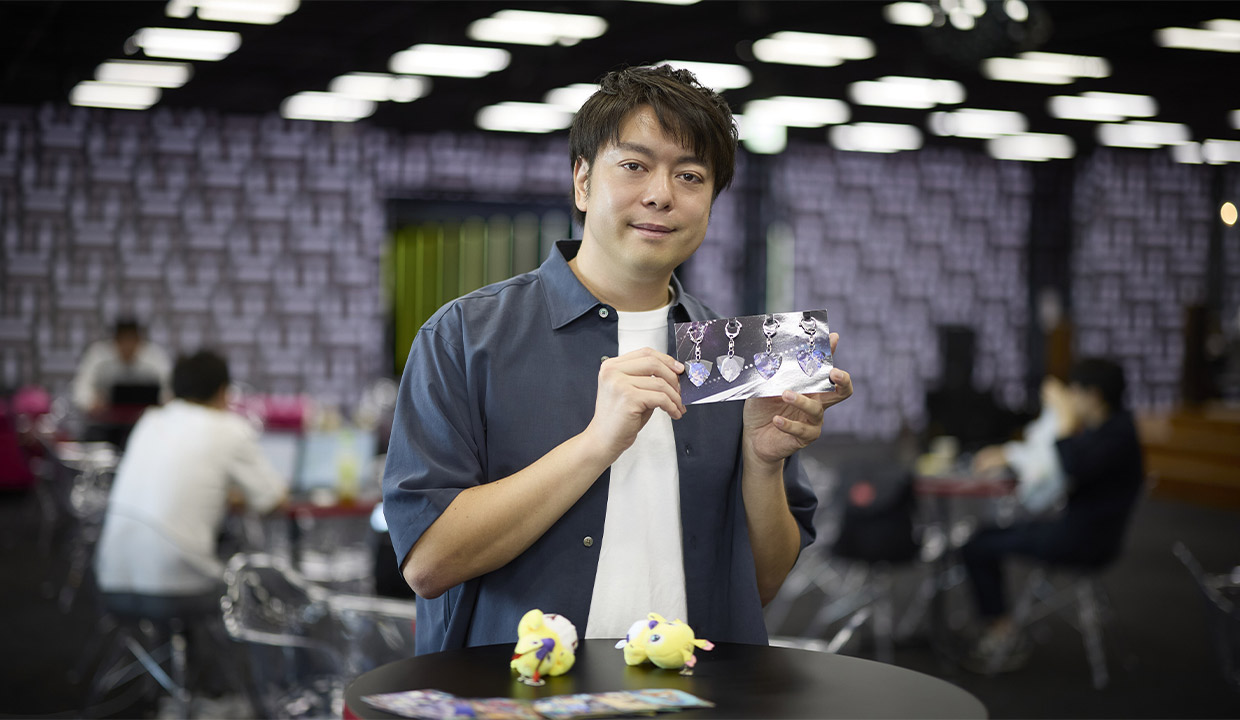
Director Daiki Hamazaki

\ Career Path /

Loved playing tennis and making manga in his student days.
After joining SEGA, created UI and map specifications for overseas games.
Became a director in his 10th year at SEGA, leveraging broad project & leadership experience.
Currently a series director, in charge of direction for the title overall.
01STEP 1
02STEP 2
03STEP 3
04STEP 4

Q1
What I Studied

When I was in high school, I aimed to make it to nationals as a tennis player, and since childhood, I'd loved drawing manga. Games also fascinated me, but not just playing them—I was making up my own RPG stages, monsters, and stories. Looking back, I guess I was the sort of kid who liked to think for himself—from tennis strategy and manga creation to game concepts. Those experiences continue to serve me well as I make decisions as a director.

Q2
Why I Joined SEGA

I first played Sonic as a first grader, and its sense of speed and excitement stuck with me. After that, I kept up with SEGA games, and when it came time to look for a job, I aimed for a creative role at a game company or publisher. When I turned in game planning documents for my application to SEGA, I could see everybody else had used PowerPoint, but I'd done mine entirely by hand, even the artwork. The people in HR were intrigued—I still remember how engaged they were. Meeting people who embraced my approach really motivated me to join SEGA.

Q3
My First Assignments at SEGA

My first responsibilities involved creating UI and map specifications. As a new hire, I struggled to find my groove and worried whether I was cut out for this kind of work. At first, I was unsure how long I'd stay—to the point where I bought new commuter passes each month instead of committing to something longer. But by studying similar games and getting tips from my mentor, I gradually got the hang of the job.

Q4
Biggest Surprise After Joining SEGA

I thought game companies must be full of craftsmen who quietly plug away at their jobs. When I joined, though, the senior employees were actually really friendly. SEGA pairs new employees with mentors throughout their first year, and mine took great care of me, both in terms of work and daily matters. I have a lot of good memories of the support that I received at the start of my career. Now that my role has changed, I try to be that supportive mentor for younger colleagues as they take on new challenges.

Commemorative illustration of Aina and Manon for the 5th anniversary of NGS in 2026

Q5
Current Duties

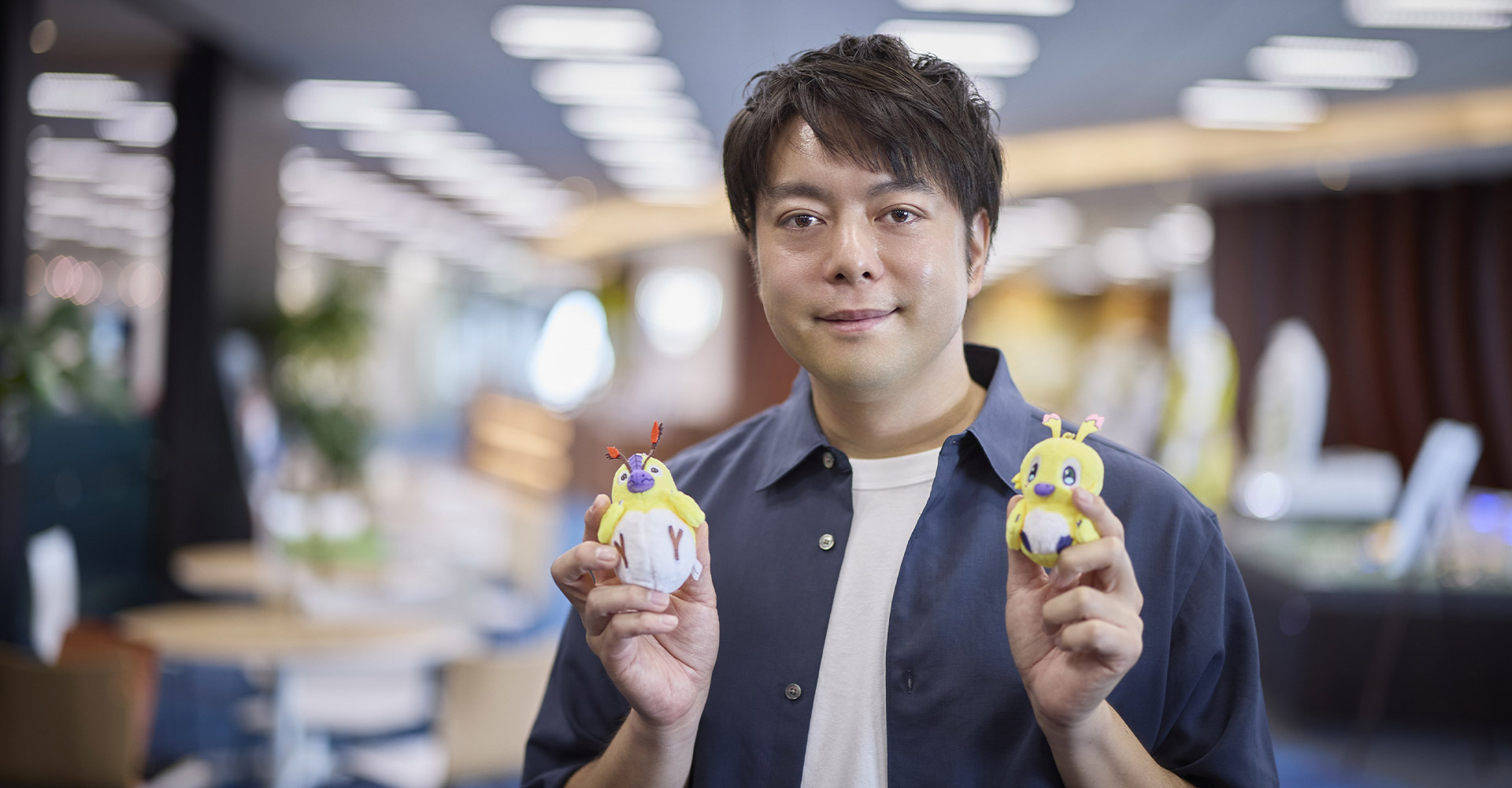
Right now, I'm the director for Phantasy Star Online 2 New Genesis. My role isn't limited to just what's currently in the game. I also do the mid- to long-term planning and budgeting, promotions, events—managing everything related to the title, really. In all that, my top priority is building trust with our players. I believe that long-running series keep going because they continue to provide fun times and good memories for players.

Q6
Motivation and Successes

I'll never forget this one real-world event where we announced a new gameplay element for Phantasy Star Online 2. There were more than 8,000 people at the venue, and the moment the Jet Boots appeared in the trailer, a huge roar went up from the crowd. I'd been a bit anxious about whether our players would like them, so hearing that reaction was both a relief and a rush. I used to measure success through moments like that. Now, though, I feel that there's a lot of value in having a title continue for a long time and be there for players to enjoy.

Q7
Future Goals

I want to keep the PSO2 series going as I deliver new titles for players to enjoy. That doesn't necessarily mean I always have to be leading the way myself, though. A lot of work has been entrusted to me, but I think it's time to start handing those opportunities over to the next generation. I want to foster the next generation of games by creating an environment where young directors and producers feel confident going all-out to realize their vision. That's what I see as my role going forward.

Q8
SEGA's Appeal

For me, it's two things: offering support when people get stuck, and the deeply rooted culture here of giving opportunities to young employees. For example, we hold an internal pitch contest that's open to everyone, regardless of title, job type, or seniority. If you have a great pitch, there's a chance it'll be made into a real project or content. The company picks up fun ideas that can become new opportunities. I myself was able to grow a lot from the chances I was given by those around me, so this event feels very "SEGA" to me.

Q9
Message to Applicants

If you're the sort of person who can work well with others but also have clear ideas for things you want to do, I think you'd be a good fit here. When making a game, there are a lot of aspects where there's no clear answer, but you have to make a judgment call anyway. In those cases, you have to rely on your intuition. You can sound out those around you, but it's your choice in the end—which is exactly why you should make the leap to SEGA with your own unique vision of what you want to bring to life here.

Q10
A Recent Highlight

After becoming a series director, I've had a lot more opportunities to work with voice talent, composers, and other professionals outside SEGA. It's always inspiring to see the kind of high-quality, polished work they can turn out under tight deadlines. At the same time, it makes me question whether we're delivering work up to that same standard as fellow professionals. Encountering exceptional work continues to be a moving experience that keeps me grounded and pushes me to do better.

A Typical Day

10:00 AM 
Arrive at the office
10:30 AM 
Team Leader meeting, sharing progress and challenges
11:00 AM 
Marketing meeting to check promotion implementation
12:00 PM 
Lunch break
1:00 PM 
Meeting with external partners
1:30 PM 
Prepare materials, develop proposals
2:00 PM 
Share update plan with team
3:00 PM 
Playtest content in development, share opinions
4:00 PM 
Director meeting, set overall direction for title
5:00 PM 
Develop concepts, create materials
7:00 PM 
Leave the office
[an error occurred while processing this directive]