
EMPLOYEE INTERVIEWS

Producer

A Producer who finds purpose and fulfillment in delivering compelling games

Joined in 2007

2nd Development Division
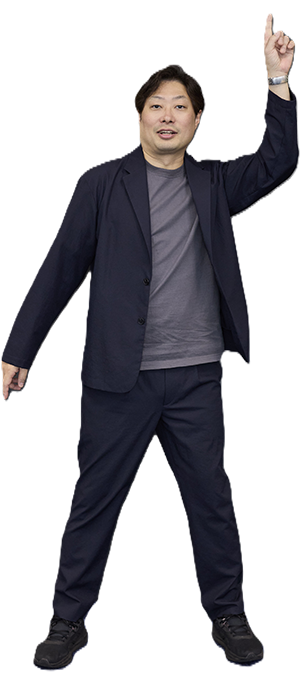
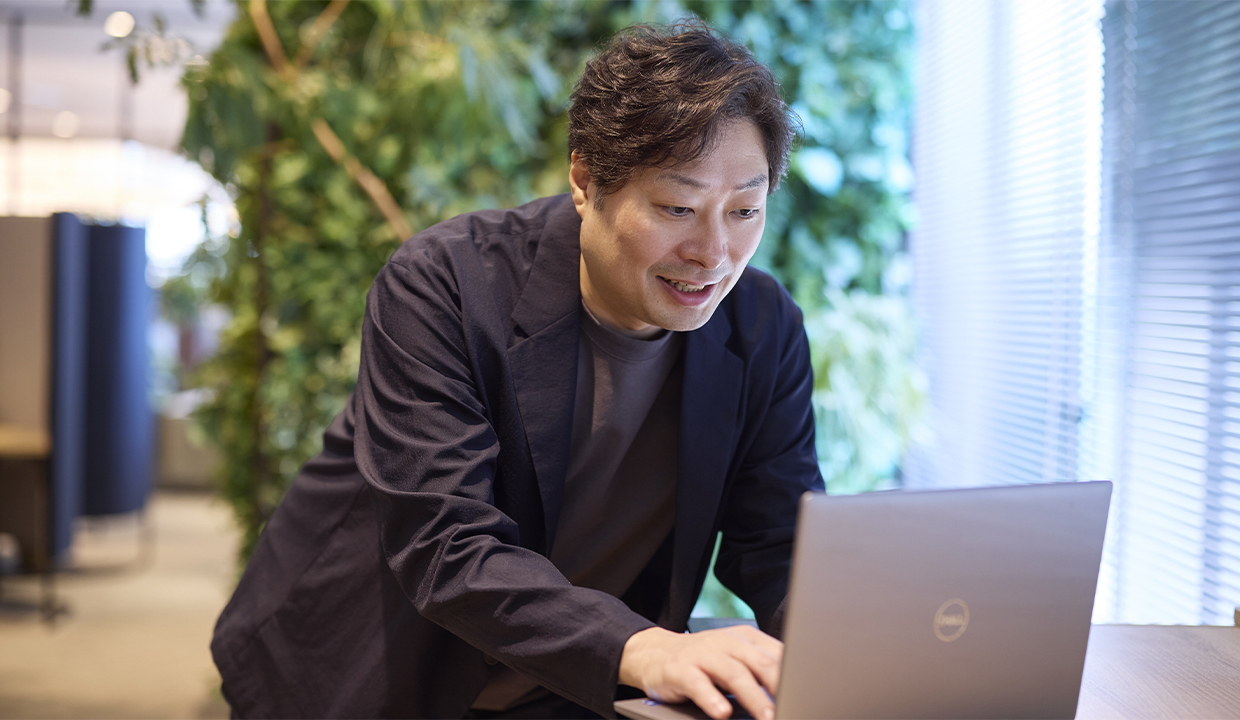
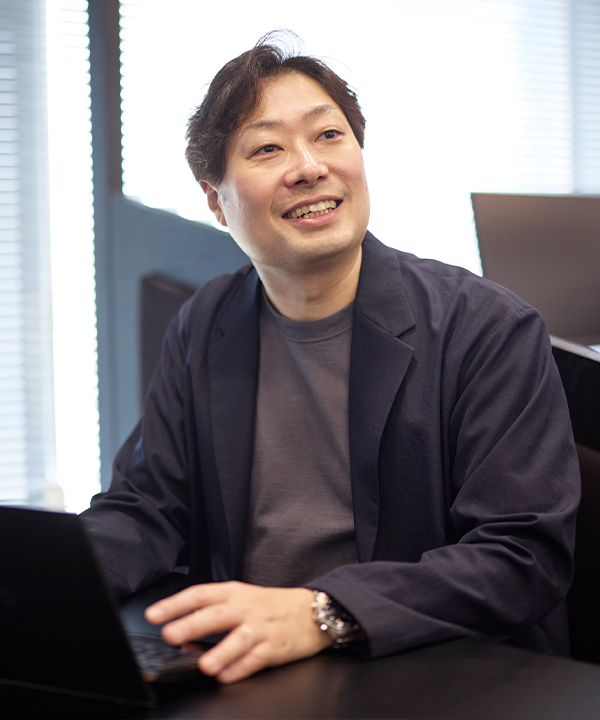
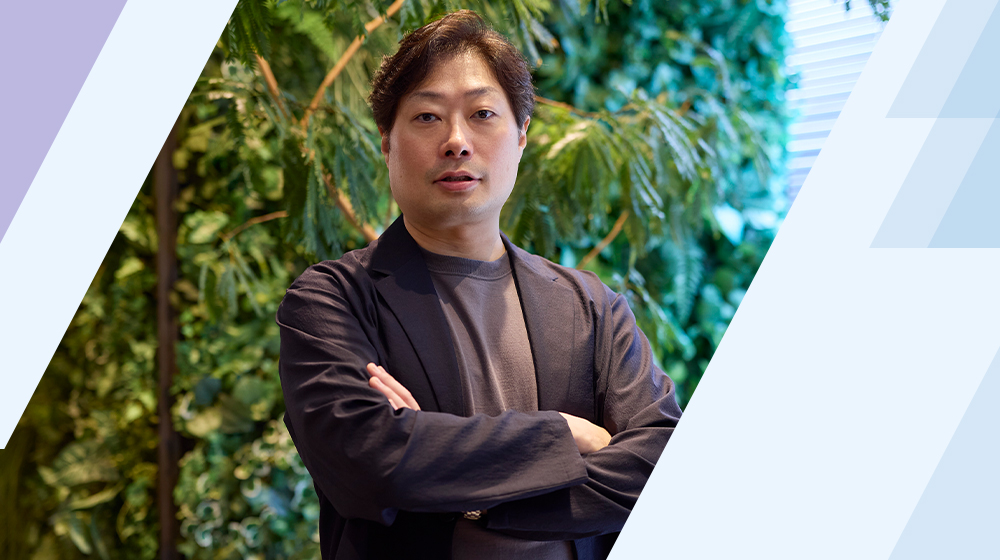
Producer Ryuichi Taki

\ Career Path /

Stepped out of his comfort zone by studying abroad at a university in Australia.
After joining SEGA, singlehandedly handled sales of arcade games to 10 countries, mainly within Southeast Asia.
Became a Producer in his 4th year at SEGA.
Worked on titles like maimai, CHUNITHM, Code of Joker, and Wonderland Wars.
Currently serves as both the 2nd Development Division's Vice Executive Manager and the Development Department Manager.
Works on numerous projects as a Producer.
01STEP 1
02STEP 2
03STEP 3
04STEP 4

Q1
What I Studied

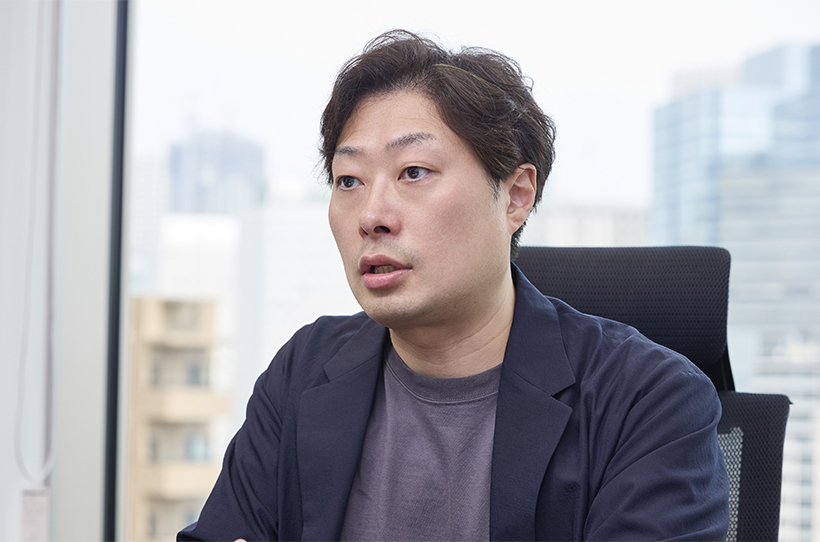
I was really into baseball for the entirety of my student days, starting in the third grade—but I was also passionate about games, anime, manga, books, and movies, and I spent pretty much all my time outside of baseball immersed in them. After high school, I stepped out of my comfort zone and went to uni in Australia, despite not being fluent in English. Over 6 years or so, I lived alongside classmates from all over the world, and got involved in all aspects of event planning. Those experiences taught me to embrace different perspectives and showed me the joy of creating entertainment.

Q2
Why I Joined SEGA

When I started my job hunt, I focused on companies that were doing business globally from Japan. I came across SEGA at a career fair for graduates of overseas universities. Since the first game I'd ever played was on SEGA's SG-1000 console, I felt a bit of a connection to the company. I also wanted to catch up with other people my age, since I'd spent 6 years studying abroad. Knowing SEGA would let me take on a meaningful role early in my career and close that gap, I decided to join the company. Right off the bat, they gave me plenty of autonomy in my work with the international sales team.

Q3
My First Assignments at SEGA

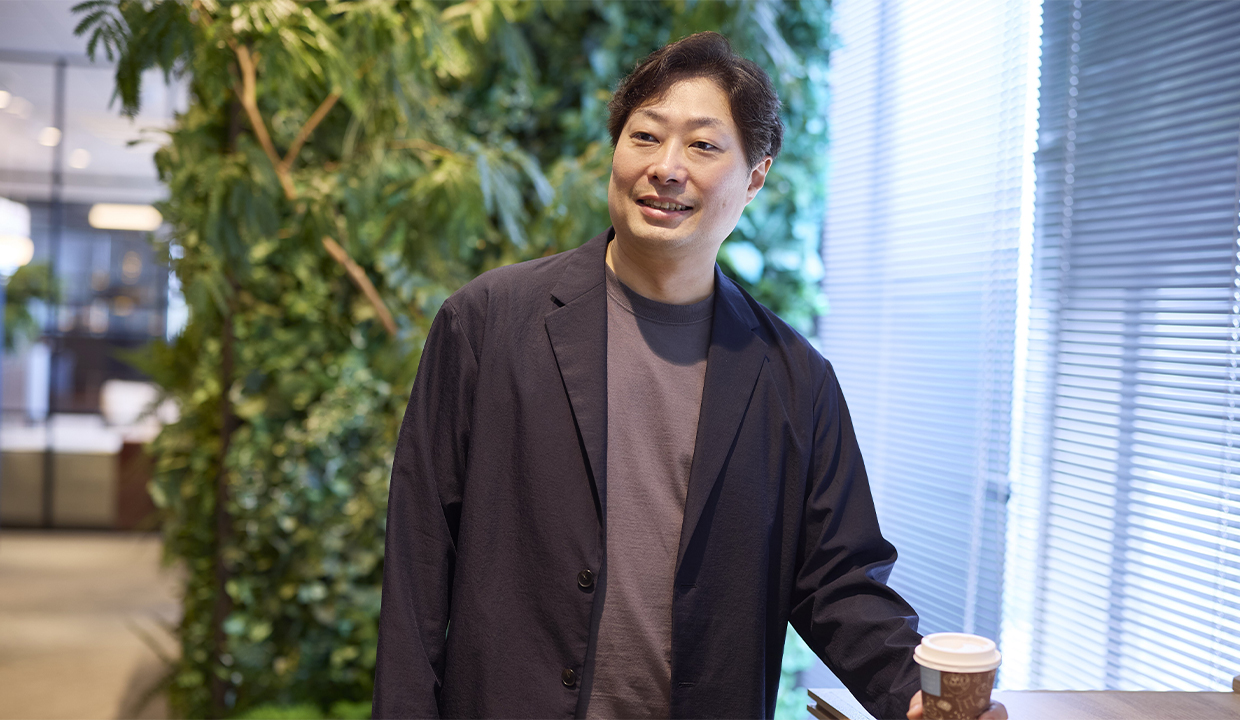
As part of the international sales team, I sold arcade games to the Southeast Asian market. Making proposals and negotiating with local arcade operators taught me a lot about the market and their approach to business. In my second year here, I handled Singapore and other Southeast Asian markets, growing sales year on year. Of course, not everything went smoothly. By looking back on each success and setback, I developed and refined my own way of doing things. Those experiences helped me learn more about our players and markets, and now serve as the foundation of my work making fun games as a producer.
Q4
Biggest Surprise After Joining SEGA

I'd always thought Japanese corporate culture was formal and seniority-based. Since I'd spent years overseas, I was a little concerned about whether I would fit in this new environment. After joining, though, I discovered that the workplace here is much more relaxed than I had imagined. It was a welcome surprise that I could just be myself and speak openly with senior colleagues and superiors.

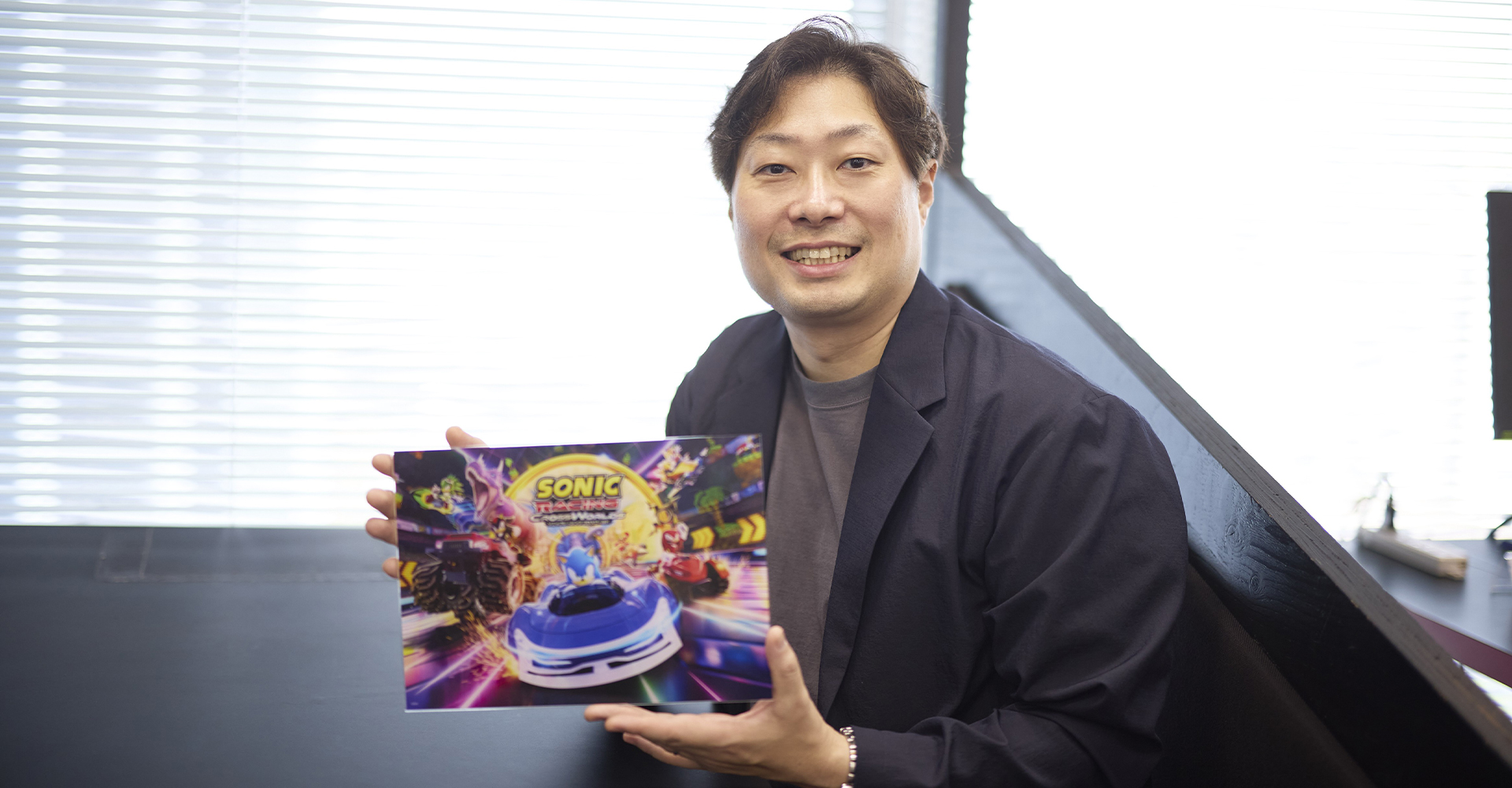
Taki holding up Sonic Racing: CrossWorlds, a title he recently produced

Q5
Current Duties

I currently hold three roles: Vice Executive Manager, Development Department Manager, and Producer. Alongside business strategy and organizational management, I oversee multiple projects as a producer. To me, being a Producer means creating and delivering compelling entertainment. After considering who we want to reach and the kind of experience we want to deliver, I'm involved in everything from game planning and team structure to budget and schedule management. My responsibilities don't end when a title launches—I also oversee it until we shut the servers down. I have a responsibility to take care of our titles from cradle to grave, so to speak.

Q6
Motivation and Successes

I'm driven by the desire to make people happy. During my time in sales, there was a time when I felt that I hadn't met our customers' expectations, and that made me want to create fun games myself and eventually pursue a role in development as a Producer. I'll never forget the location tests for maimai, the first title I worked on. Seeing players have so much fun made me realize we'd created something that could inspire people. I'm not much of a crier, but I could feel myself tearing up at that moment. For the first time, I felt that I was meeting the goals I'd set for myself as a Producer.

Q7
Future Goals

Going forward, I want to keep challenging myself to create games that can captivate players. I'd especially like to work in development closer to the North American and European markets. Players are always looking for new ways to be entertained, so we have to understand their needs and think up new ways for them to play. Of course, that's never easy—but it's also exactly why my job never gets boring.

Q8
SEGA's Appeal

Throughout my nearly 20 years here, SEGA has always encouraged us to take on new challenges. They've entrusted me with overseas sales and given me the autonomy to develop proposals and grow the business. If you've got a good idea, people will listen—regardless of role or seniority—and people get opportunities to grow. That corporate culture is one of SEGA's greatest strengths.

Q9
Message to Applicants

I enjoy working with people who don't stop at their first thought and who keep pushing forward. Also—and this is very important—they must find joy in making others happy. Those are the three traits I look for the most. Knowledge and technical skills can be acquired over time, but those core values aren't something that can be easily internalized. I hope to work alongside a team that shares those values, so together we can create new and memorable experiences for our players.

Q10
A Recent Highlight

I'm always finding new highlights. Recently, I felt inspired when I attended a speech by NVIDIA CEO Jensen Huang in Akihabara, and he said that his company wouldn't be here today without SEGA's past support. His words reminded me that we're also standing on the shoulders of our predecessors. I also felt proud and motivated to continue my work at SEGA, eager to make a positive impact on the future myself.

A Typical Day

8:30 AM 
Arrive at the office
9:00 AM 
Meeting with Los Angeles-based subsidiary
10:00 AM 
HR meeting
11:00 AM 
Progress checks for ongoing projects
12:00 PM 
One-on-one meetings with staff
12:30 PM 
Lunch break
1:30 PM 
Progress check for department projects
3:00 PM 
Division strategy meeting
4:00 PM 
IP-management meeting
5:00 PM 
Management meeting
6:00 PM 
Project quality control tasks, email check
7:00 PM 
Leave the office
[an error occurred while processing this directive]