
EMPLOYEE INTERVIEWS

Game Designer

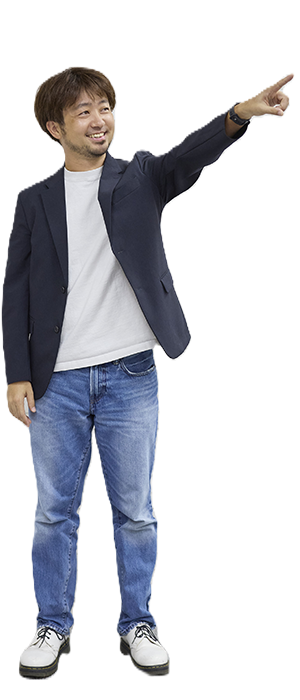
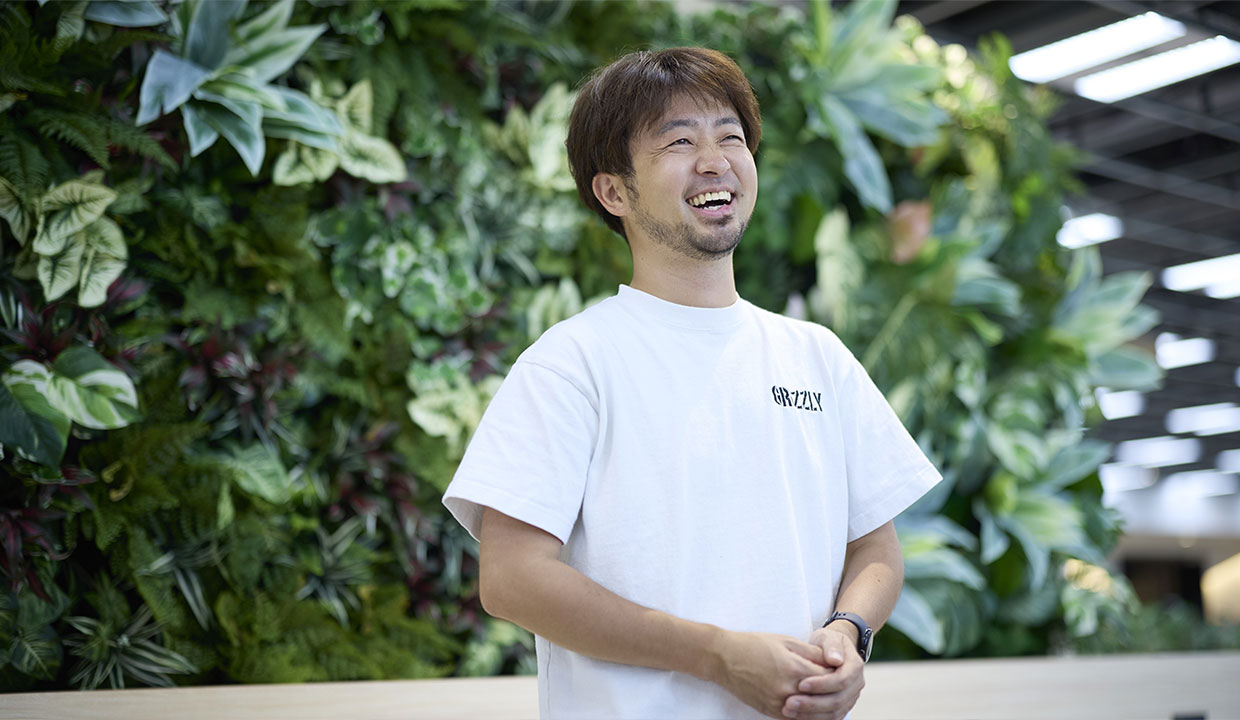
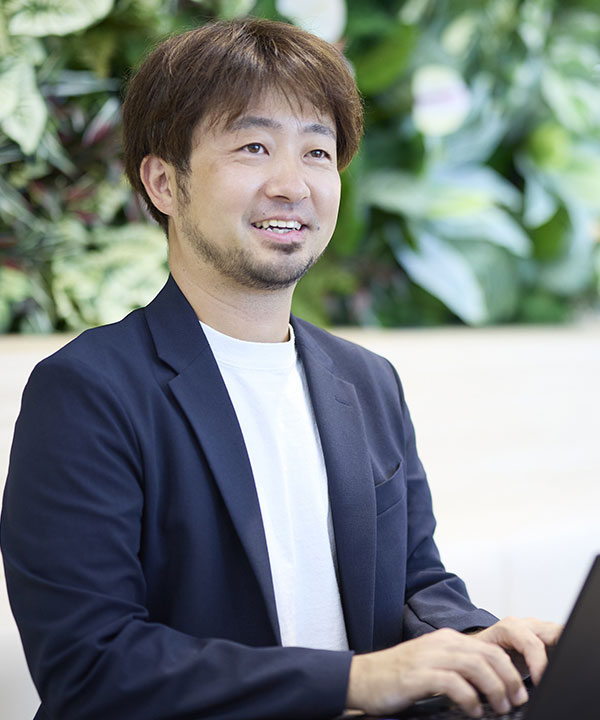
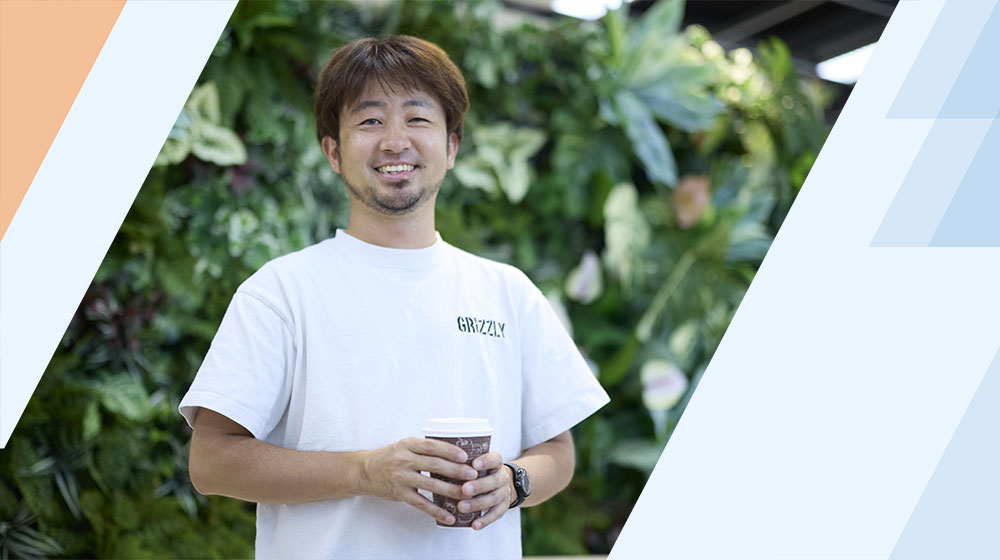
A Game Designer and leader, driven by the joy of bringing a beloved series to players around the world

Joined in 2009

Game Designer K.S.

\ Career Path /

Became immersed in game development through school club activities.
Joined SEGA to bring his creative vision to life.
Worked on level design for the Sonic series after entering the company.
Learned game design by studying gameplay and what makes games satisfying and enjoyable.
Promoted to Series Director.
Seeing fans around the world enjoying the game deepened his sense of responsibility toward game development.
Currently, as Lead Planning Manager, he brings together diverse ideas and leads the team toward a unified vision for the game.
01STEP 1
02STEP 2
03STEP 3
04STEP 4

Q1
What I Studied

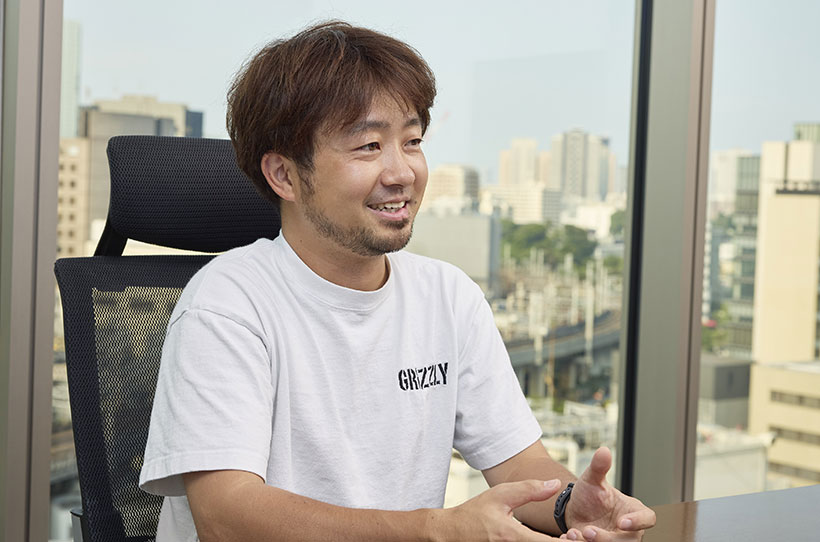
I’ve loved creating things since I was a child, and I enjoyed building model kits and making things out of clay. My interest in programming began in junior high school when my parents gave me a computer. I taught myself how to code and even tried making some simple games. Before I graduated from high school, I reached out to some friends and started an unofficial game development club. While in college, I made an adventure game and showed it at game fairs and other events.

Q2
Why I Joined SEGA

While working toward a career in product development, I became fascinated by the potential of games to move people emotionally like films while also being interactive. That's what inspired me to enter the industry. During my job search, I applied to companies that emphasized the integration of gameplay and thematic elements. SEGA was the first to offer me a position. Rather than starting with a specific company in mind, I wanted to join a workplace that'd let me achieve my own brand of creative expression. That's why I picked SEGA.

Q3
My First Assignments at SEGA

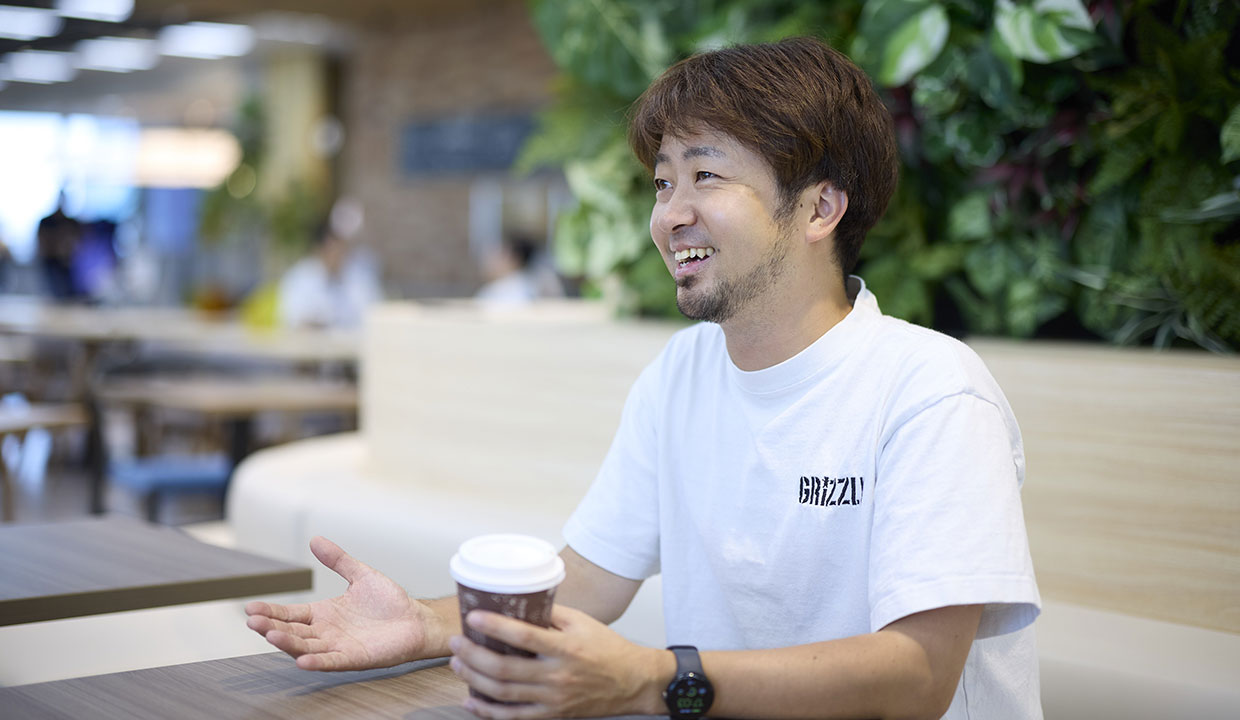
When starting out, I worked on act level design for Sonic Colors. I designed the player's path from the start to the goal of each stage, determining the placement of jump pads, enemies, obstacles, and branching routes. By building stages with 3D tools and studying the level design of different action games, I gradually learned how to create the exhilarating sense of high-speed gameplay unique to Sonic while maintaining a balanced level of difficulty.
Q4
Biggest Surprise After Joining SEGA

Prior to joining SEGA, I believed that successful games were built mainly on the instincts and creative sensibilities of talented game creators. In reality, it requires sharing a clear concept, building fun in a logical and systematic way, and then incorporating the creativity and experience of each team member. Even in level design, each stage reflects the individual style of its creator. Through my time here, I've come to realize that combining different ideas and viewpoints allows a team to create something far greater and more compelling than any single individual could create alone.
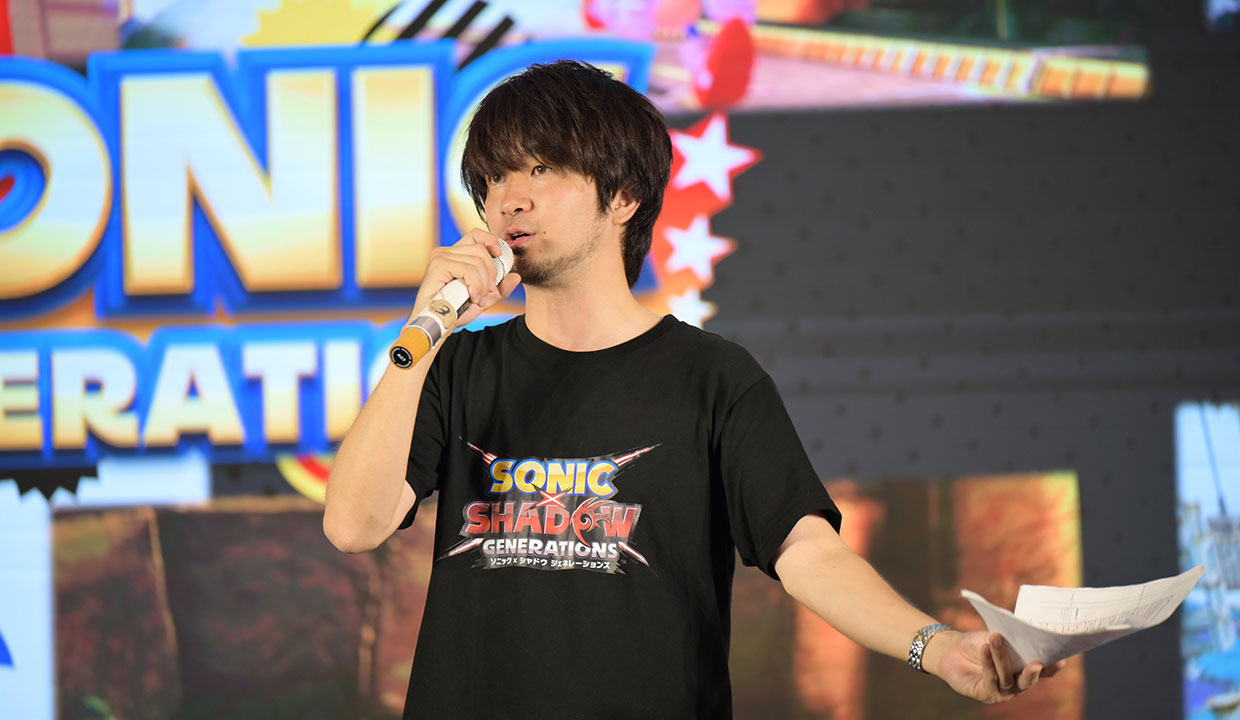
Image from a Sonic fan event held in Guangzhou, China to celebrate the release of SONIC X SHADOW GENERATIONS

Q5
Current Duties

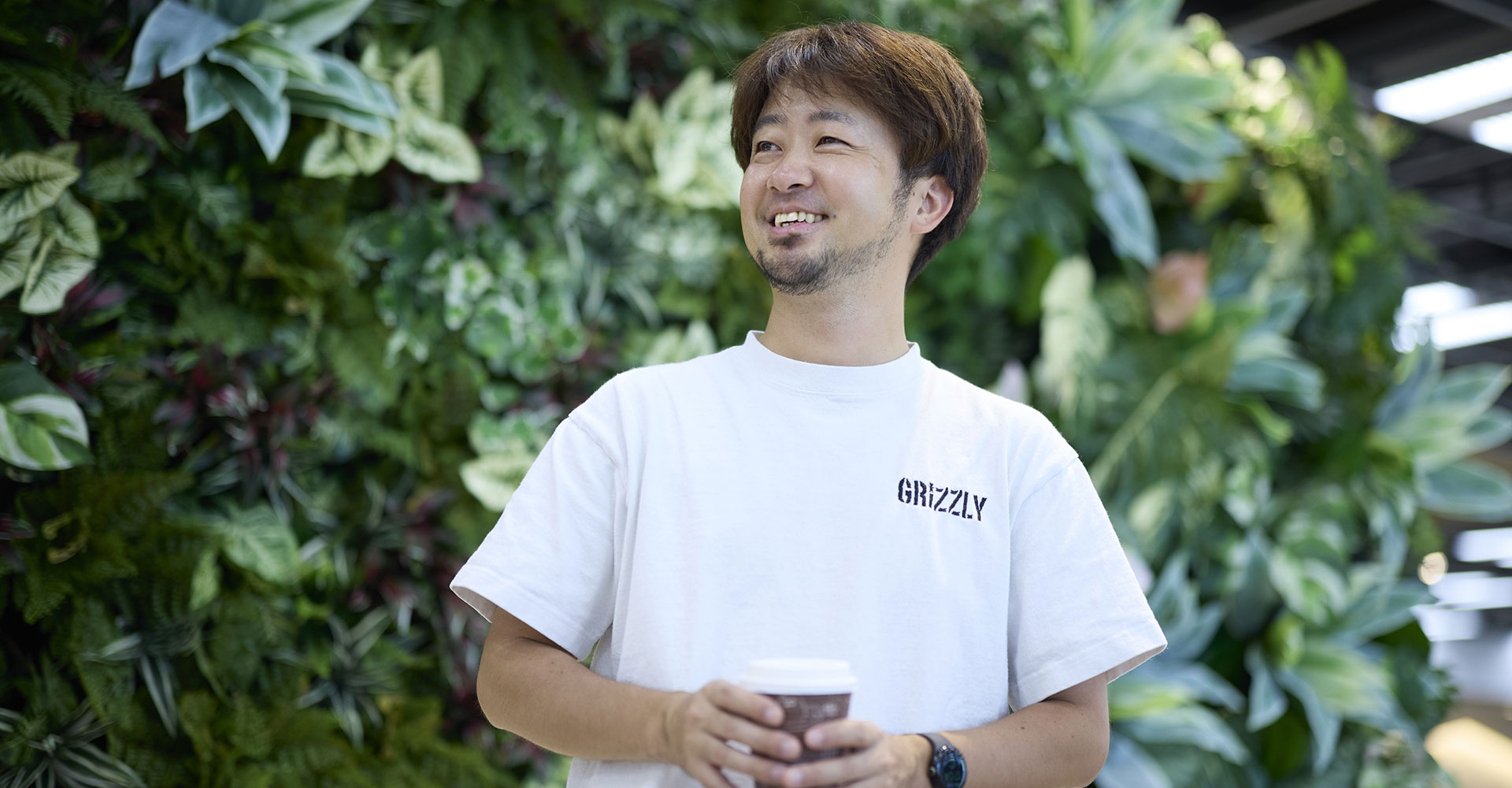
I currently serve as a Director and Lead Planning Manager. As a Director, I define the project's direction, articulate the vision for the game, and work to resolve challenges that arise during development. In addition, as a Lead Planning Manager, I lead and oversee game designers across the organization. I believe that game designers do more than generate ideas. They serve as a bridge between different disciplines, aligning diverse perspectives and guiding the team toward a common goal.

Q6
Motivation and Successes

Earlier in my career, what was most satisfying for me was seeing a game successfully completed after years of development. Today, the most rewarding part of my work is seeing players enjoy our games firsthand at fan events, both in Japan and overseas. At the same time, I've come to feel a strong sense of responsibility to meet the expectations that come with working on a globally recognized IP. The desire to create something that will bring even greater joy to players continues to drive me in my work.

Q7
Future Goals

The Sonic franchise is beloved by people around the world not only for its games, but also its films, music, apparel, and many other forms of entertainment and media. While respecting and building on the franchise's broad reach, I hope to bring the fun and excitement of its foundation, the games themselves, to an even wider audience. Someone may first discover Sonic through a film or a piece of music, then go on to play the games, and from there develop an interest in other forms of Sonic content. My goal is to create that kind of cycle, and inspire even more fans to discover and enjoy Sonic with that same excitement and enthusiasm.

Q8
SEGA's Appeal

At SEGA, there's a culture of open and constructive debate across positions and disciplines, where we discuss ideas until we are convinced of the best way to create even better games. We can have differing opinions but still respect one another's perspectives. Once the discussion is over, we can go out to lunch together and enjoy a friendly relationship. The fact that we get along doesn't make us more willing to compromise. Rather, it allows us to exchange ideas freely while maintaining mutual respect. I believe SEGA’s unique appeal lies in its ability to balance professionalism with approachability.

Q9
Message to Applicants

In large-scale game development, both empathy for others and the leadership to move a team forward are essential. Rather than someone who simply points out problems, I want to work with the person who accurately assesses a situation and proposes improvements. The type who will bring everyone in and say, "Here's how we can make this better. Let's work on it together." Inspirations and emotions from a wide range of activities and experiences are also essential ingredients when creating new games. We look forward to hearing from people who bring a diverse range of experiences and can work with their teammates to bring them to life.

Q10
A Recent Highlight

I love fishing, and I particularly enjoy experimenting with different techniques. There's nothing quite like catching a fish in my own way. Even when nothing's biting, part of the enjoyment comes from thinking about why the fish stayed away and using that for my next outing. The satisfaction of seeing preparation and creativity lead to results also influences the way I approach game development.

A Typical Day

10:00 AM 
Arrive at the office (after dropping my kid off at daycare)
10:40 AM 
Check emails and messages, and create a task list for the day
11:00 AM 
Hold one-on-one meetings, manage employee attendance, and develop team policies
12:30 PM 
Lunch break (at my desk while playing games)
1:30 PM 
Project work: hold meetings, create materials, and develop strategies
5:00 PM 
Work on solving project issues and problems raised by game designers across the company
8:00 PM 
Leave the office (Play games on the train while heading home)
[an error occurred while processing this directive]