
\ Career Path /
From a young age, was active in aikido and went on trips abroad.
The system received positive feedback from users, providing a boost of confidence.
Manages everything from the initial concept to final refinements.
Q1What I Studied
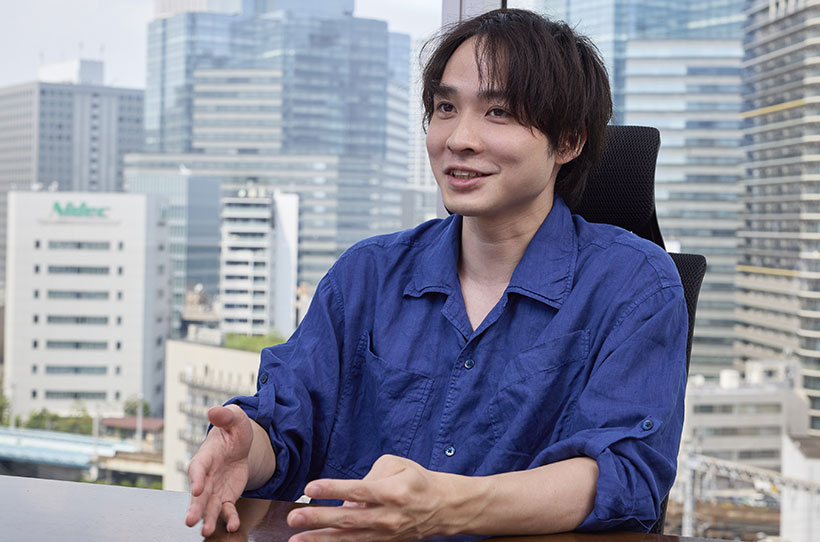
I majored in economics, so I didn't study anything directly game related. I'd always loved games, though, and I'd played hundreds of classic and modern games. Any retro game that caught my eye got added to my collection. On longer breaks, we'd fly to Europe and tour around different art museums, and I'd been into aikido since I was a kid. My experience with aikido has come in handy. I still suggest moves during motion capture, and sometimes I even perform them.

Q2Why I Joined SEGA
I hadn't really planned to join a game company when I started my job search. But when I thought about careers, being on the production side for the sequels to my favorite games appealed to me. That's what I wanted to bring into the world. So I started looking into game companies. My impression of SEGA was that they didn't really specialize in a particular genre or style, but rather tried their hand at multiple different types of games. The fact that I'd be able to play a role in such a wide variety of games is a big part of why I joined.
Q3My First Assignments at SEGA
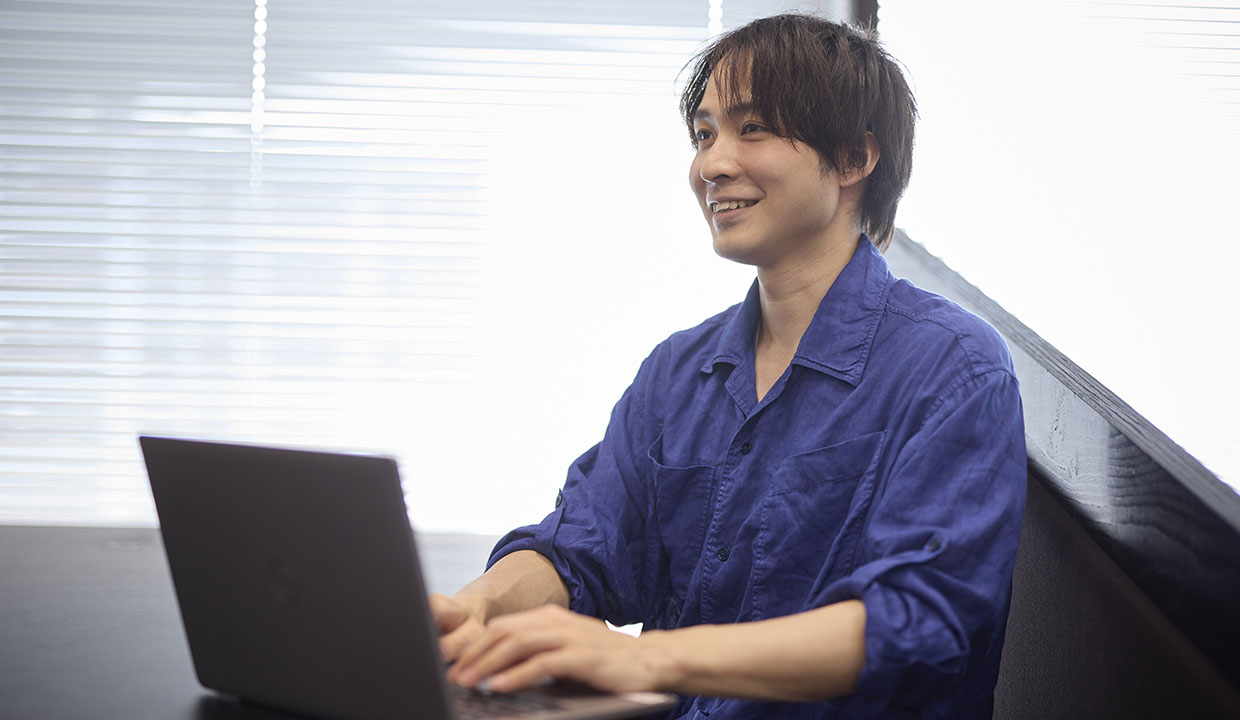
After joining the company, I first worked on the battle design for Yakuza: Like a Dragon. I handled everything for the weapon crafting feature: how to incorporate it into the game's lore, the specifications, putting out the order for it, and implementing it. I also got experience with a lot of other tasks—designing and integrating long battles, improving existing minigames like golf and darts, and planning and writing substories. I learned the whole process from planning through completion with the support of my boss and senior employees, and that experience has become the bedrock of my career.
Q4Biggest Surprise After Joining SEGA
I was expecting that a major game company like SEGA wouldn't let junior employees handle more than tiny parts of game development. In reality, there are a lot more opportunities than just planning and specifications, including putting in requests to the dev team, implementation, and final refinements. I was surprised by how much they let me do. Another surprise was how many new challenges they take on for each new game in a series. Yakuza: Like a Dragon was the first time they'd changed over to an RPG-style game, and that was a big swing. To me, this is the kind of place where you can always try and find new ways to make games fun, even in long-running series.
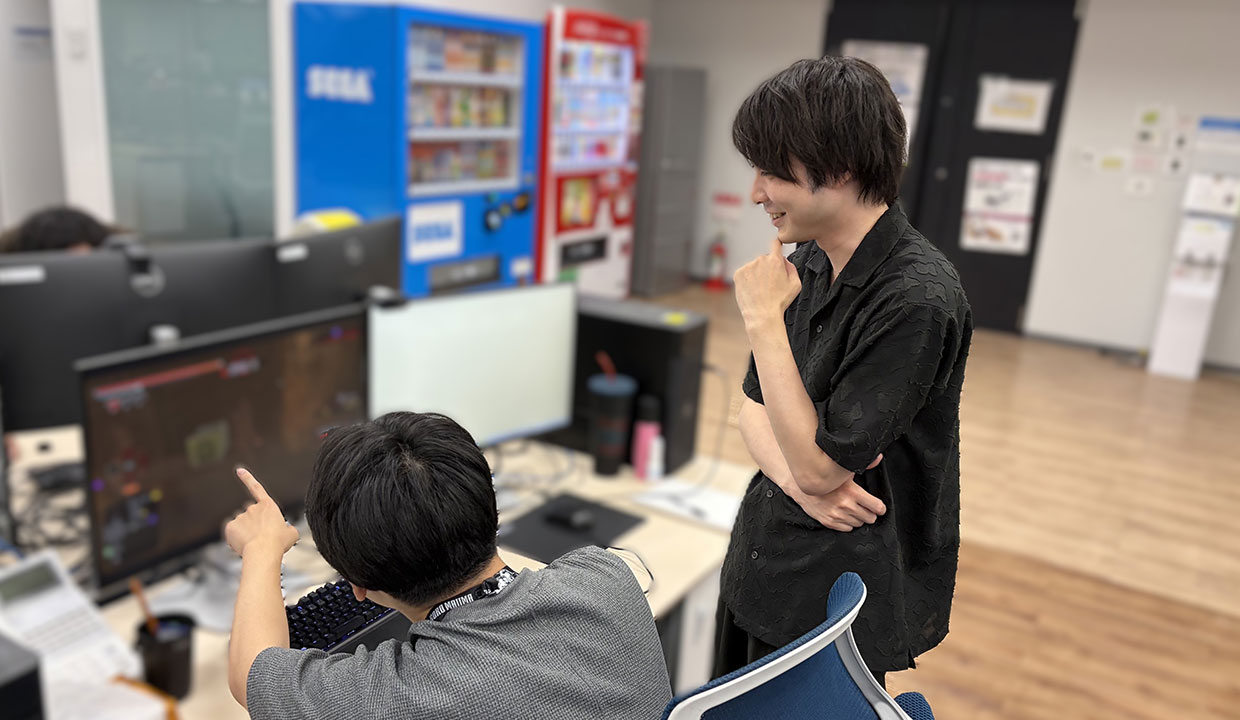
I'm essentially mentoring junior colleagues on ways to improve games.
Q5Current Duties
Recently, working as a game designer and section leader, I oversaw the entire battle design for Yakuza Kiwami 3. That meant creating a concept for what kind of battle style and gameplay we should incorporate, giving feedback on the specifications and implementations of each game designer, consulting with programmers and artists, and final balance adjustments. From the planning stage until the game was done, it was my job to put the team's ideas together and make the game as fun as possible.