
EMPLOYEE INTERVIEWS

Studio Head

Creating long-lasting titles by surpassing fans' expectations one update at a time

Joined in 1992

2nd Development Division
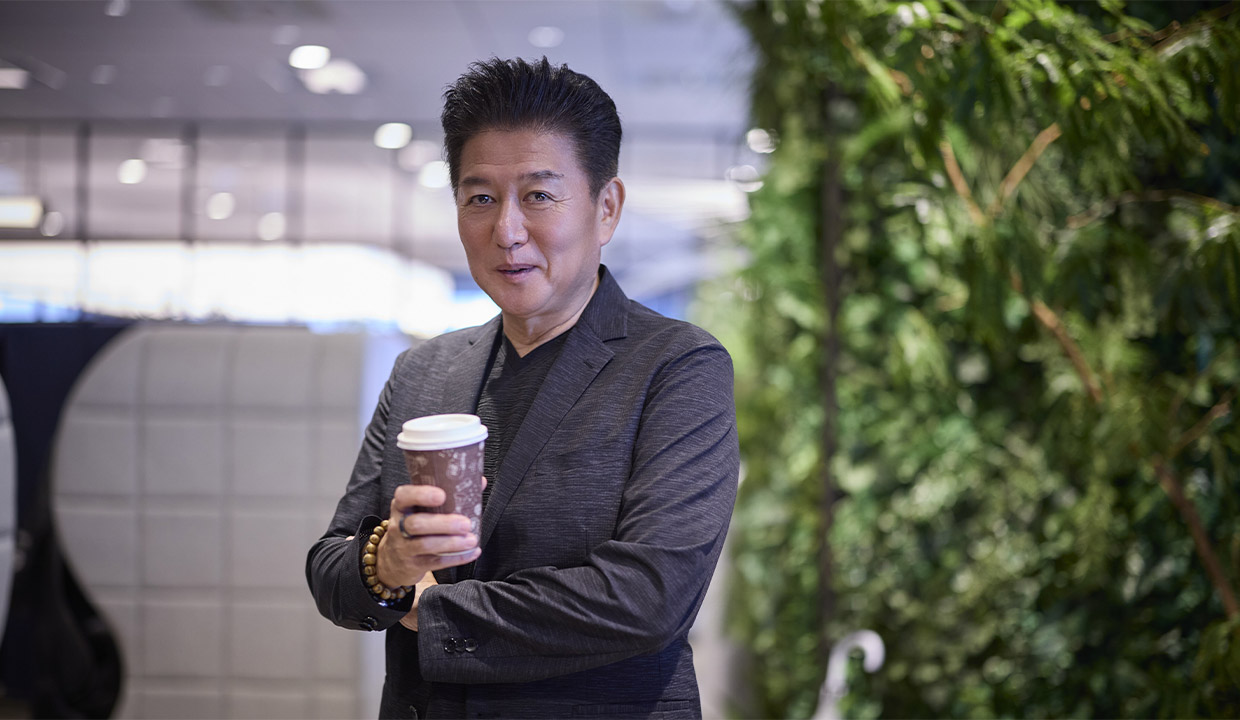
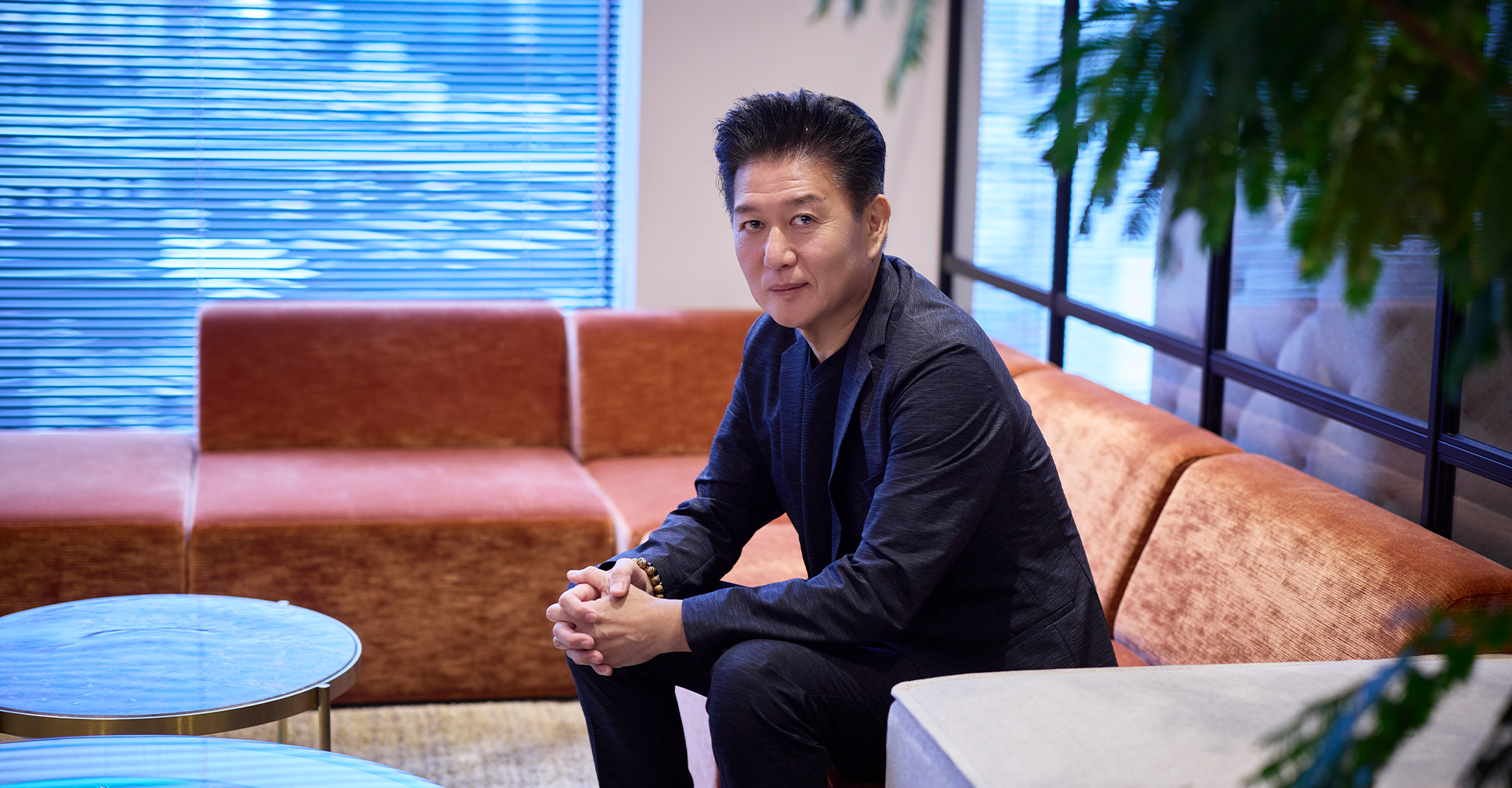
Studio Head Takaya Segawa

Q1
Our Studio's Style

At the 2nd Development Division, we produce Games as a Service (GaaS) titles, including Phantasy Star Online 2 (PSO2), Puyo Puyo!! Quest, and MJ Online. Work on these games does not end at launch—we continuously evolve them as we listen to player feedback. What makes our studio unique is that our development, ops, and publishing teams work side by side on the same floor. This allows us to make decisions quickly as circumstances change, whether we are responding to a server issue or planning seasonal and global events. After analyzing feedback from the player community, we incorporate those insights into the next updates. What excites me most about the GaaS model is that we can keep growing our games over time.

Q2
Our Studio's Values

There's nothing more important to me than keeping our fans happy. Many of our division's titles are free-to-play, and unlike a console game, they do not have an ending. With some games going strong for over 10 years, it's crucial for us to keep players engaged. What I try to do is stay half a step ahead of our fans' expectations. It's no fun if we just give them what they expect, but if we go one or two steps too far, we risk alienating them. That's why we must understand what players enjoy and what they are looking for, then deliver new content that exceeds their expectations with small surprises. When I make decisions, I first listen to the ideas of everyone here, whether they're from development, ops, publishing, or marketing. By bringing together a variety of perspectives, we can continue to deliver games that wow our players.

Q3
Shortcomings and Successes

More than a decade ago, a PSO2 update contained a serious bug affecting data on our players' PCs. By the time we discovered it, around 20,000 people had already downloaded the update. We knew that fixing the issue would come at a considerable cost. Normally, that would have been something we'd need to take through our internal approval process. However, I felt helping our players should come first, so I decided on the spot to start our recovery efforts. We visited some players in-person to offer support, and we compensated everyone by offering a choice between gift cards and in-game currency. When 82% chose the in-game currency, it felt like a sign that people wanted to keep playing the game. We did see player numbers fall temporarily, but they recovered and people online were impressed by the lengths we went to offer compensation. Of course, all of that doesn't change the fact we seriously let people down. But by putting our players first and acting accordingly, we were able to rebuild their trust.

Q4
Personal Goals for the Future

I aim to foster a workplace where people can easily find opportunities to grow. When I joined SEGA, a single game only required a development budget of between a few million and a few tens of millions of yen. Today, both development costs and development timelines have grown considerably. That means we've got more opportunities to attempt ambitious things, but the risks of failure are higher. Since project development times have grown, it can be harder for people to gain a broad range of experience. That's exactly why our organization gives people chances to take on new challenges. A good example of this would be our internal idea contest. Whether they're from development, marketing, data analysis, or localization, employees in any role can pitch their idea, and strong proposals can be adopted as real projects. Several ideas from this initiative have become full-fledged titles, while others have been turned into content for existing games. I feel that giving people opportunities beyond the boundaries of their usual responsibilities can lead to new ideas and new career possibilities. SEGA values growth. My job is to build an organization that turns that stance into something tangible.

Q5
Studio Goals

Our goal is to create major titles for players around the world, across every platform. Japan remains an important market, but with factors such as a declining birthrate, we believe it will become increasingly difficult to sustain growth by focusing on the domestic market alone. There are more than 3.5 billion people across the world who play games, and markets in regions such as the Middle East, India, and Vietnam are expected to continue expanding. Of course, cultures and values differ from country to country, but everyone wants to have fun. GaaS games can be enjoyed by anyone with a smartphone or PC. We want to bring memorable experiences and titles to more people, reaching as many new fans as possible.

Q6
Message to Applicants

The most valuable thing you'll gain at SEGA is experience—something money can't buy. Over my many years here, I have found that the company is home to a great number of talented, highly motivated people, regardless of their role. The opportunity to take on challenges alongside colleagues like these, while growing as an individual, is one of SEGA's greatest strengths. That is why it's important not simply to complete the work you are assigned, but to communicate your goals. Whether or not you put forward a single proposal may seem like a small thing, but those choices add up and can shape your career. Opportunities are not something you wait for. You have to seek them out and seize them yourself. If you're willing to act and give new things a try, SEGA will always give you your shot.

Q7
A Recent Highlight

While this isn't exactly recent, I wanted to share something I've felt throughout my career here: people around the world love SEGA. Lots of employees bring SEGA merchandise to the office. When I travel abroad, immigration officers sometimes ask whether they can have my business card to show their children. Wherever I go—whether it's the US, the UK, or elsewhere—I have experiences like these, because SEGA has fans all over the world. It fills me with pride and a sense of responsibility to deliver games that live up to their expectations.

[an error occurred while processing this directive]