
EMPLOYEE INTERVIEWS

Artist

A Technical Artist balancing creativity and reality to unlock new possibilities

Joined in 1997 and 2024

Artist M.F.

\ Career Path /

While studying film at an art university, developed an interest in driving and video games, leading to a career in racing game development.
After working at SEGA in consumer game development, moved to another company and held positions including director and studio head.
Drawn again to SEGA's culture of taking on new challenges, rejoined the company to with newfound experience in game development.
Manages organizational operations and technical support, while bridging design and technology within game development.
01STEP 1
02STEP 2
03STEP 3
04STEP 4

Q1
What I Studied/Previous Experience

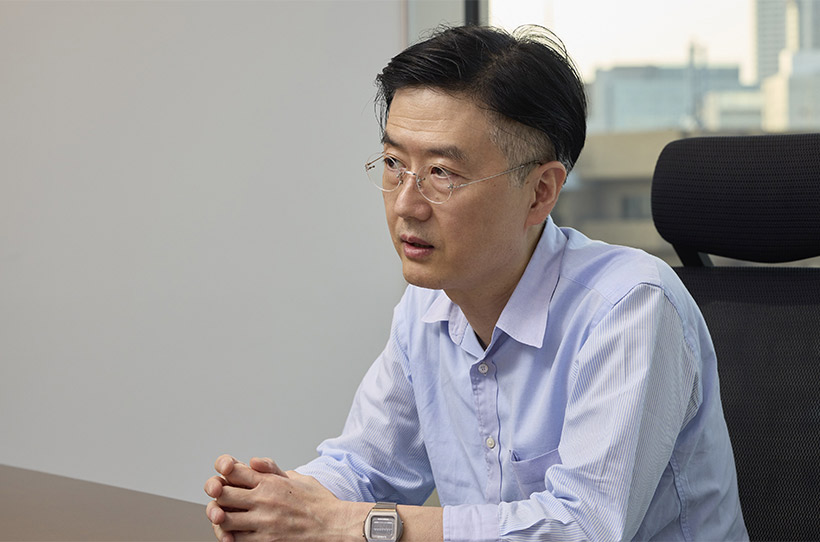
While studying film at art school, I spent much of my free time driving and playing video games. That's what inspired me to pursue a career in racing game development. Prior to rejoining SEGA, I worked at game companies in Japan and overseas, and I served as both an art director and studio director. Most recently, I served as a corporate officer and head of the Tokyo studio at a game company based in Osaka.

Q2
Why I Joined SEGA

I first joined in 1997. I originally applied to make arcade racing games, but I wound up speaking a lot on the importance of visual expression, which landed me a position in the consumer games division instead. After that, I moved to another company and got experience as a director and corporate officer, SEGA has such a diverse range of studios and business ventures that I felt there were opportunities I was missing out on. This led me to rejoin the company in 2024.

Q3
My First Assignments at SEGA

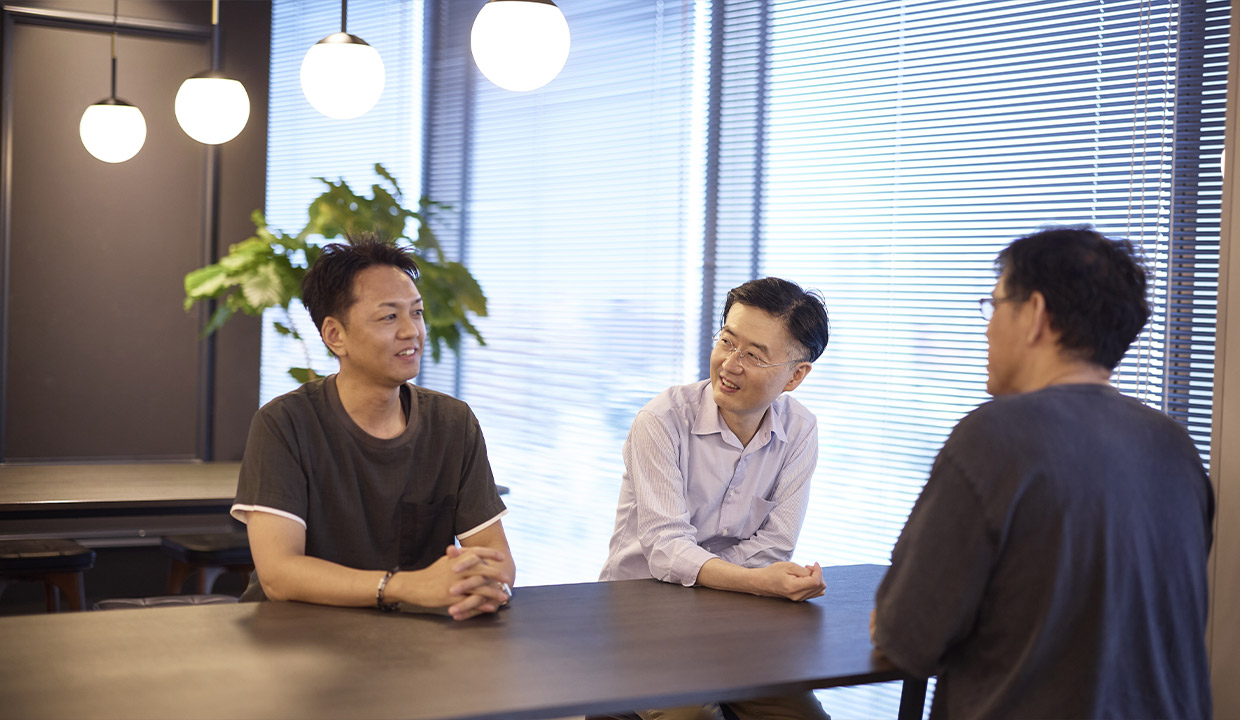
I joined as an artist with a primary focus on 3D asset creation. At the time, job roles were not as specialized as they are today, and you could get involved in anything if you just volunteered—character modeling, background art, animation, you name it. It was challenging, but those experiences gave me the ability to approach visual design from a broader perspective and understand the viewpoints of people in different disciplines.
Q4
Biggest Surprise After Joining SEGA

I joined with few preconceptions, so nothing major surprised me. What stood out to me after returning in 2024 was that the dedication of craftsmanship and quality among SEGA's creators remains as strong as ever. Experienced workers continuously teach the younger employees skills and the company culture, but the older members still embrace new ideas and ways of thinking from the younger members. It's inspiring to see the enthusiasm and passion shared across generations.
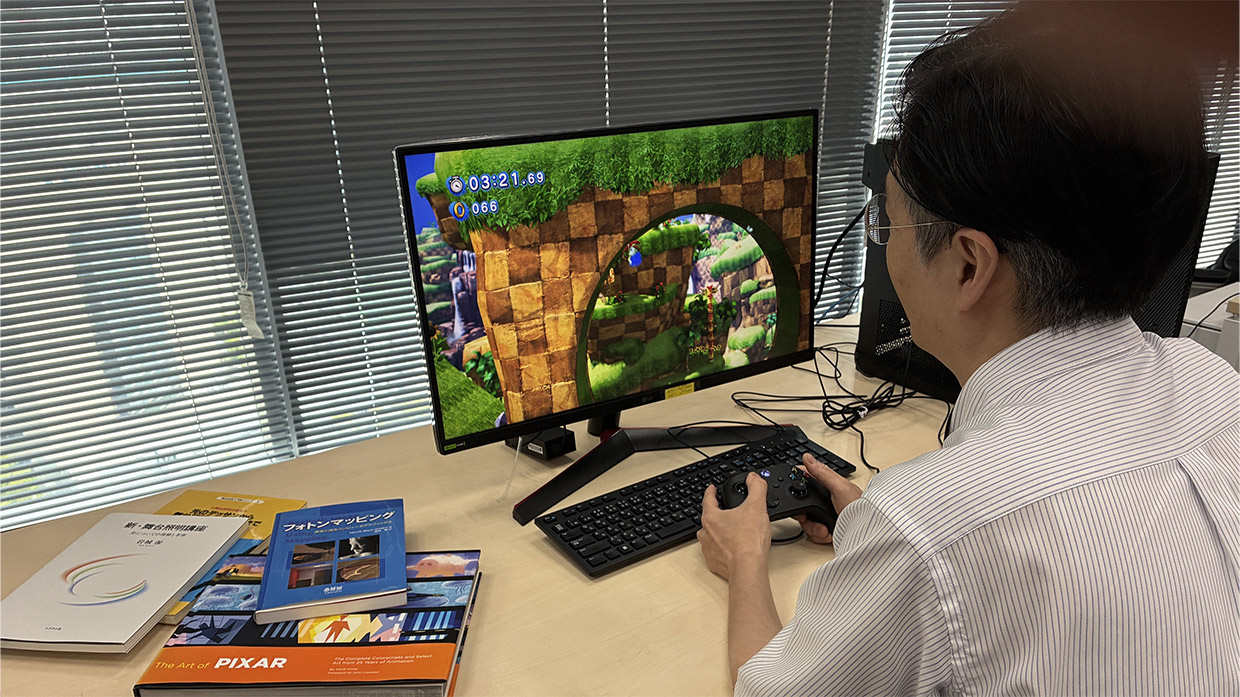
What may look like playing games is actually an ongoing effort to learn from past titles and apply those lessons to the challenges of both today and the future.

Q5
Current Duties

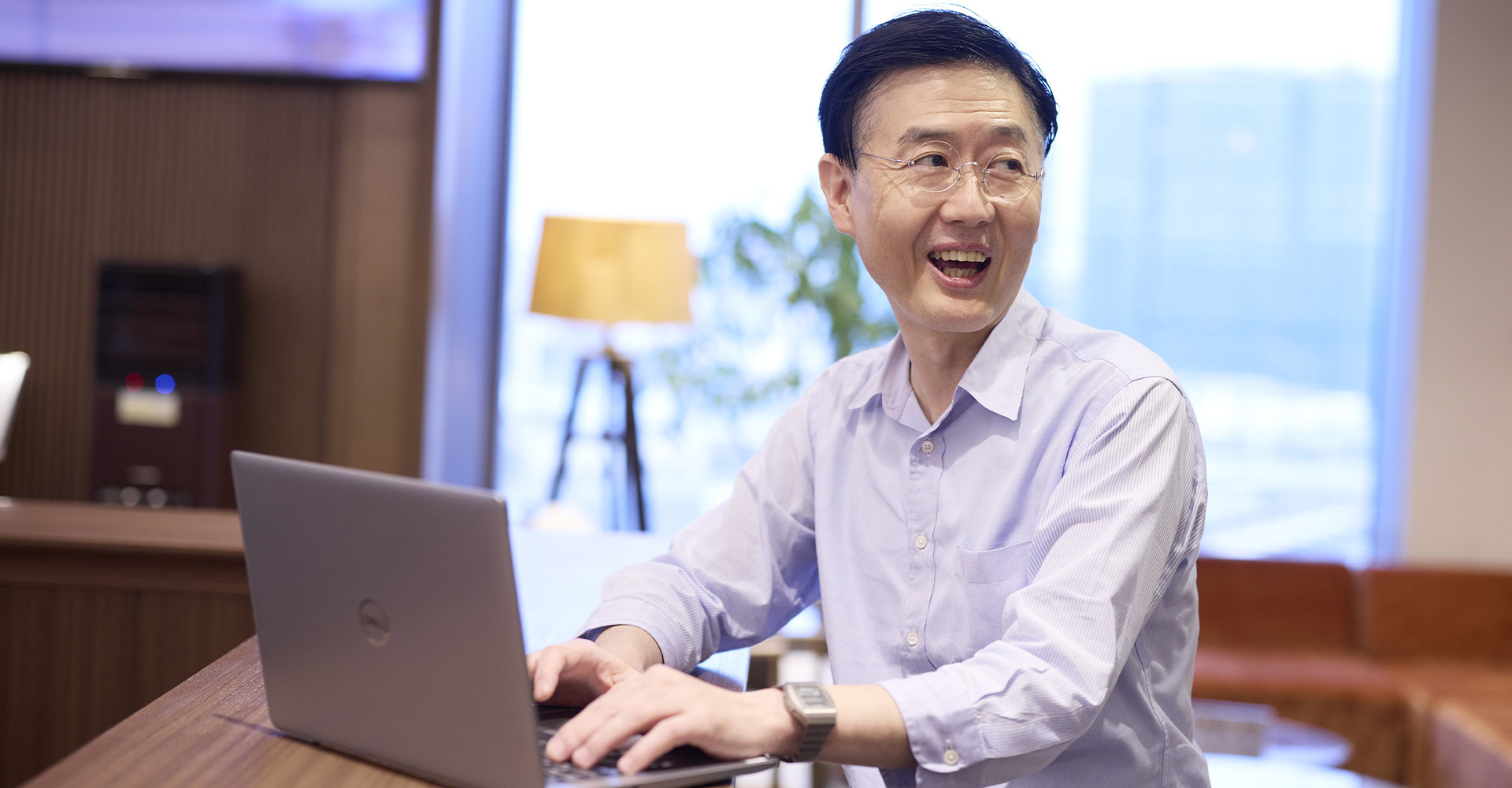
I lead the technical artist team, focusing on the improvement and optimization of development workflows and tools to enable new visual possibilities in game development. I support technical artists who help identify the best visual solutions for each project and facilitate communication between artists and programmers. My role is to align stakeholders from different disciplines, helping them balance their creative aspirations with the practical constraints of implementing them, and I help the team solve those issues.

Q6
Motivation and Successes

One of the most rewarding aspects of my work is helping connect people who have differing opinions and moving the project along. In particular, both artists and programmers have different perspectives, for a very valid reason. When I am able to see from both perspectives, find a well-reasoned middle ground for everyone, and see all parties reach a mutual understanding and appreciation for each other, that outcome brings a sense of accomplishment that goes beyond the end product itself.

Q7
Future Goals

My goal is to create more products that catch people's eyes and entice them. With fewer opportunities for customers to pick up a physical game in stores, storefront listings, social media images, or promotional trailers are often their first point of contact with a product. This makes it more important than ever to capture their interest from the outset. Rather than go for pure realism, it's important to understand the target audience and their expectations in order to deliver a level of artistic expression that exceeds them.

Q8
SEGA's Appeal

One of the biggest differences I noticed compared to my last time at SEGA is how significantly the employee benefits have improved. Even better is the company's commitment to taking on challenges that go beyond its conventional image. It doesn't stop at its flagship franchises; it's involved in a range of projects, from unique titles and collaborations with international studios to publishing games from other studios. What makes SEGA so unique is its willingness to build on its long-established strengths while exploring other fields.

Q9
Message to Applicants

I want to work with people who aren't constrained by conventional thinking and are willing to take on new challenges. Experience and qualifications alone do not define a person's potential. Some of the most impressive people I've worked with are able to immediately pick up new technologies and discover ideas despite having limited experience in game development. If you have one big strength and a clear vision of what you want to accomplish at SEGA, I'd encourage you to bring your unique talents to the table and pursue those ambitions with confidence.

Q10
A Recent Highlight

It has to be flying a multirotor drone as part of a certification course. The sensation of navigating through real three-dimensional space and composing shots from above through my own inputs felt surprisingly closer to a game than a film. It has also led to discussions about how technologies such as drone-based terrain scanning might be applied to game development. Although drones come with various regulations and permitting requirements, the technology holds tremendous potential.

A Typical Day

9:30 AM 
Arrive at the office
12:00 PM 
One-on-one meetings with staff
12:30 PM 
Lunch break
1:30 PM 
Project, department, and functional status update meetings
6:00 PM 
Organize meeting notes and handle administrative tasks
7:30 PM 
Leave the office
[an error occurred while processing this directive]